Rhiannon Callais features editor
About 17,000 people were murdered in the United States in 2024, according to the FBI. And each of those murders left behind about seven to 10 close relatives as well as friends, neighbors and coworkers, according to a study published in the National Library of Medicine.
Ashley Autin is one of those close relatives. When she was 10, her mother was murdered by her husband, changing the direction of Autin’s life.
“The life I have now, I’ve had to claw my way to get here,” Autin says, 36 years later. “It did not come easy.”
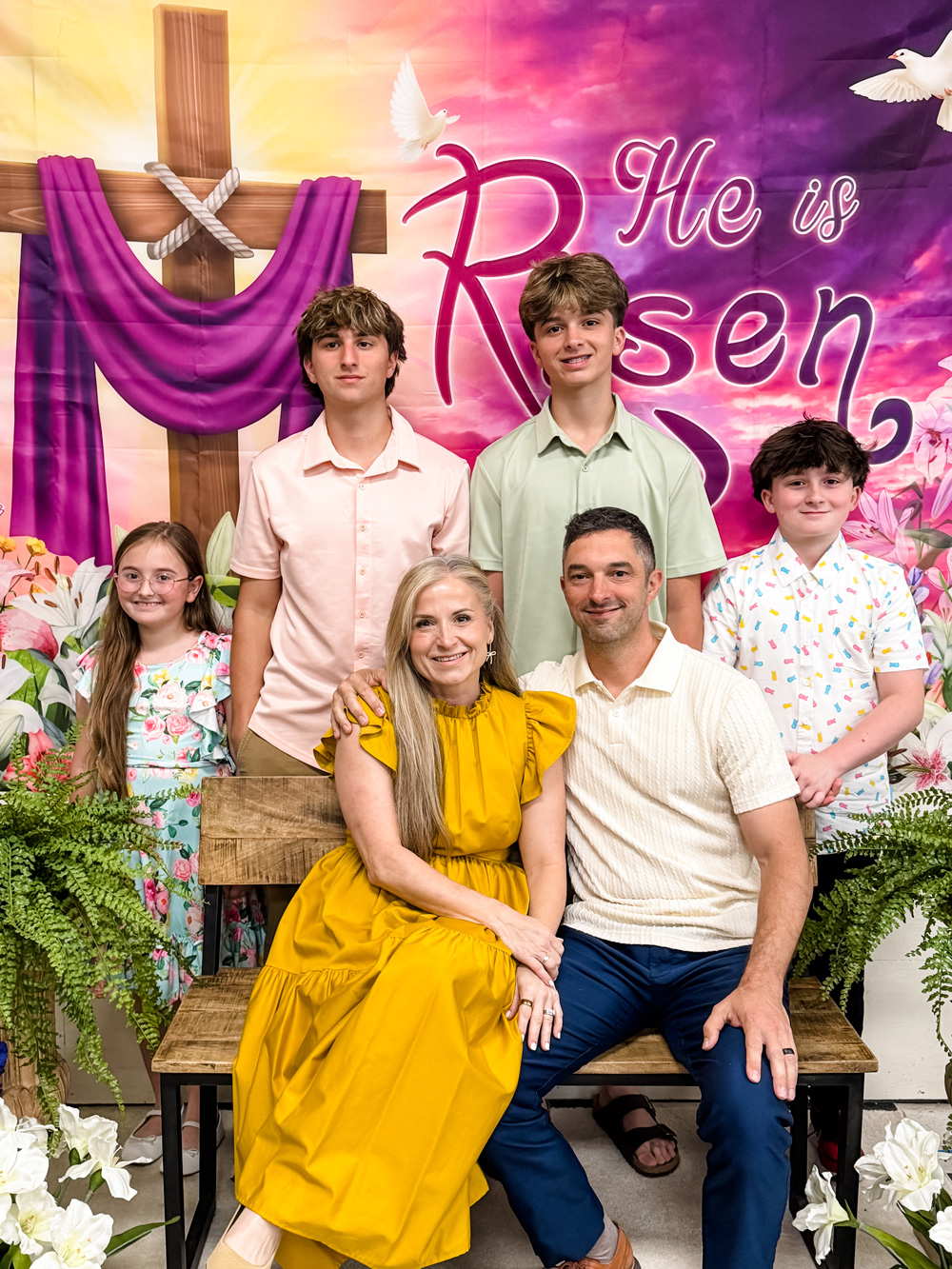
Now, Autin has four children and volunteers with the nonprofit Bless Your Heart in Larose, Louisiana. A nonprofit whose mission it is to serve and help people in need, people like Autin once was.
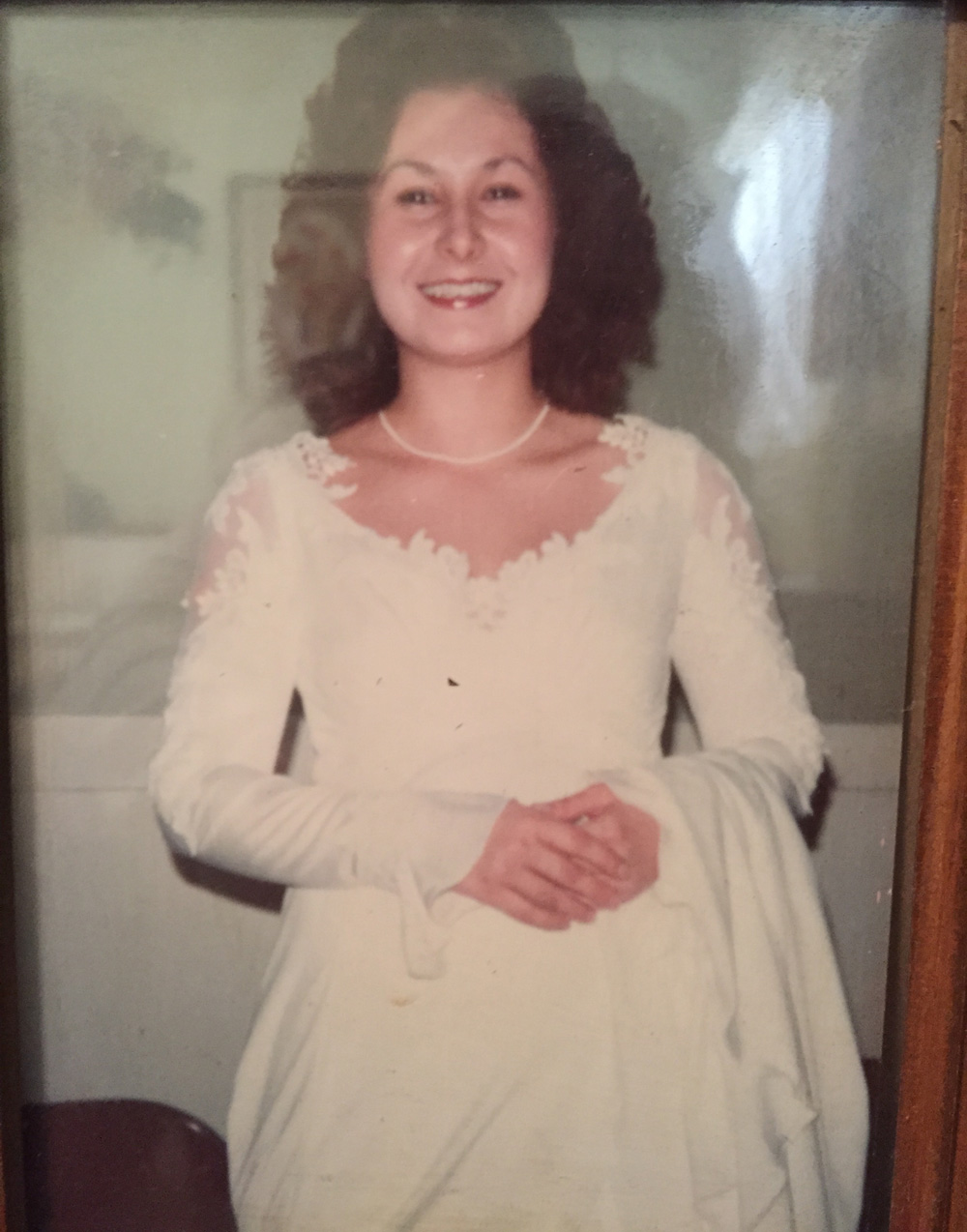
In 1990, Autin’s mother, Diane Marie Gaspard, was killed in Bentley, Louisiana, after years in an abusive relationship with Autin’s stepfather. Hours before the murder, Autin says she sensed something was wrong.
“We were playing a video game,” she says. “I remember the light hitting her face, and I heard myself say, ‘Always remember this moment when mom dies.’ Why would I think that? I was a 10 year old.”
“The life I have now, I’ve had to claw my way to get here. It did not come easy.”
Ashley Autin
Experts say people respond to violent events in different ways depending on age and experience.
Shannan Gros, a child forensic interviewer at the Children’s Advocacy Center of Lafourche, says some children understand what has happened, while others process it over time.
“It’s very individual,” Gros says. “You have some 5 year olds who comprehend the world much better than others.”
For Autin, she says she “could feel my body trembling” when her stepfather returned home drunk and began arguing with her mother.
“I kept thinking he was going to hurt her,” she says. And then she says she remembers seeing her mother’s body on the floor.
“I remember holding my head crying. My stepbrother was shaking, trying to find the number to the police in the Yellow Pages.”
Autin says she went back into the room to say goodbye.
“I said, ‘Mama, you made all my childhood happy, and I pray you go to heaven,’”
Autin says that moment marked a shift for her.
“After I prayed that prayer, something greater than myself took over in that room,” she says. “It felt like something else was leading me out of there.”
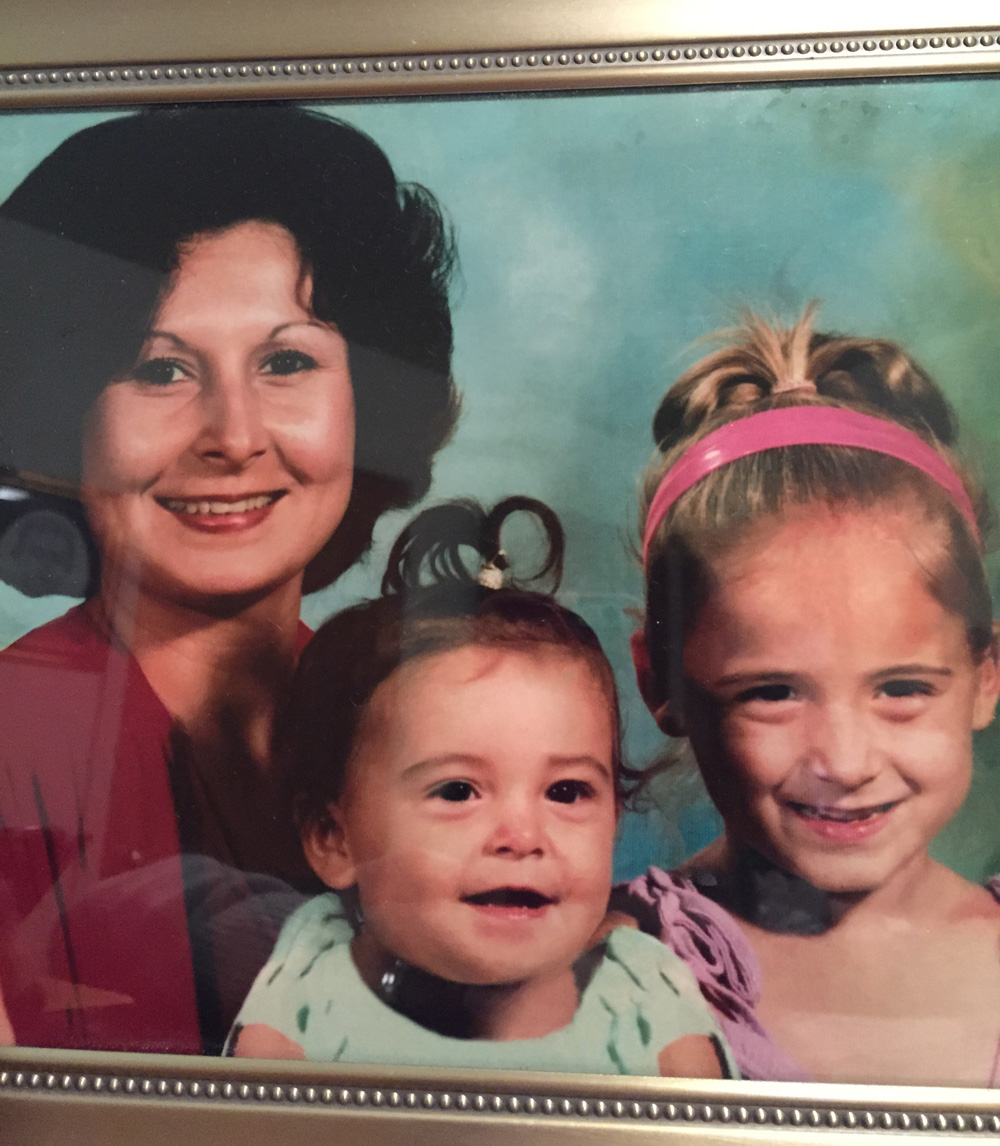
She carried her 2-year-old sister on her hip and walked barefoot through the rain to a neighbor’s house to get help.
Police arrived later that night, and Gaspard was pronounced dead.
Today, Autin speaks publicly about her experience.
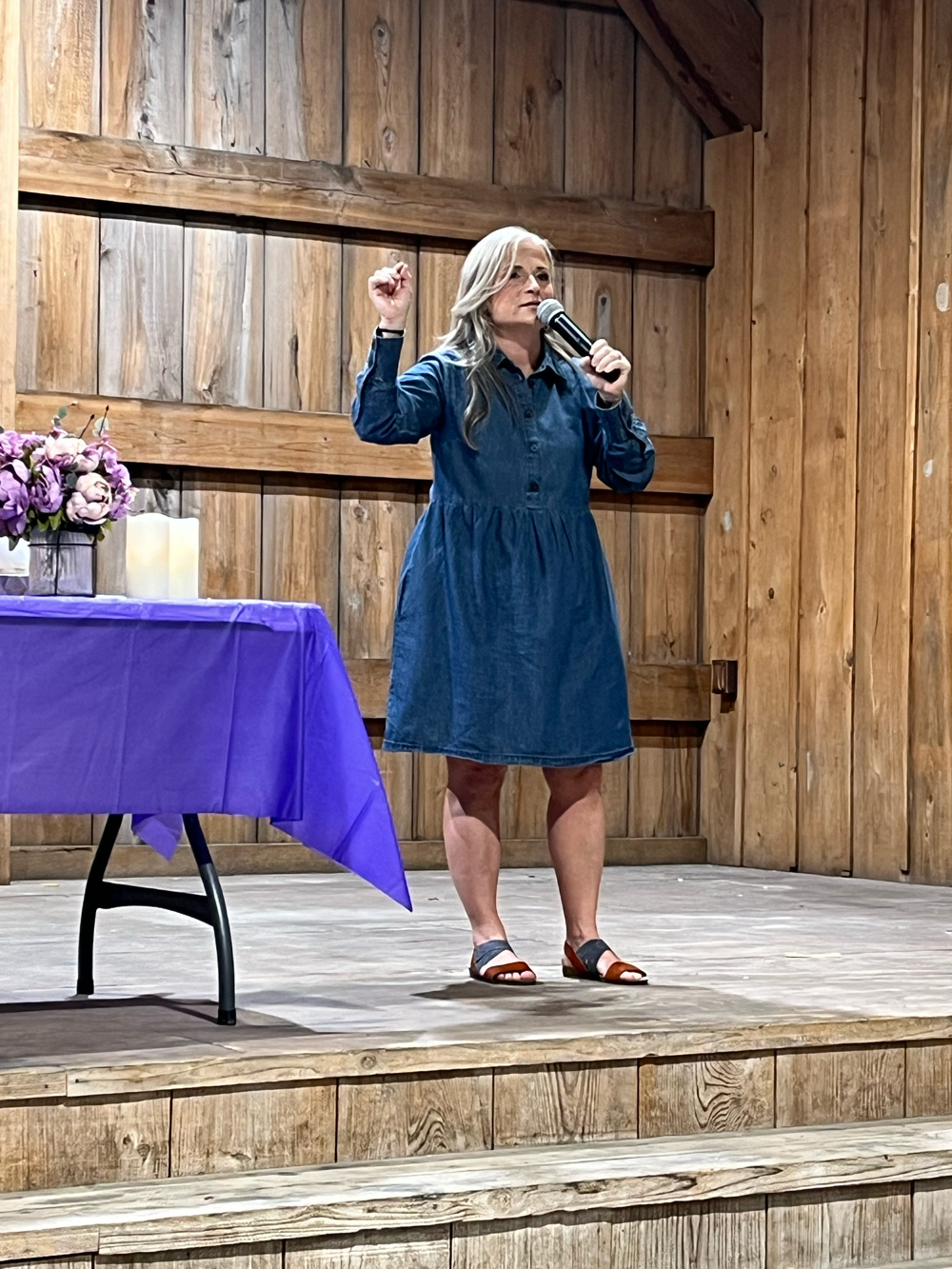
She was a guest speaker the past two years at Lafourche Parish’s Domestic Violence Awareness Vigil. She says she now uses her experience to raise awareness and let others know they are not alone.
“What motivates me to tell my story is giving hope to other women who feel stuck,” Autin says. “You can get out. I also want to give hope to kids who have been abused or placed in the system. It is a mental choice to keep moving forward.”
Rhiannon Traigle, a psychology instructor at Nicholls State University in Thibodaux, says sudden and traumatic loss can disrupt daily life and leave people feeling a loss of control.
Families are often left not only grieving, but also navigating investigations, court proceedings, media coverage and public opinion.
For many, telling their story becomes part of how they respond to that grief.
“When we talk about it or tell our story, it can give some control of the narrative,” Traigle says. “You can feel like you need to say, ‘Wait, let me tell the story.’”
For Autin, sharing her experience is part of how she remembers her mother.
“I think she would be proud,” Autin says. “I think she would be honored that in some way she still lives on.”
“When we talk about it or tell our story, it can give some control of the narrative. You can feel like you need to say, ‘Wait, let me tell the story.’”
Rhiannon Traigle