video by Tank Nelson
story by Jaqueline Diaz
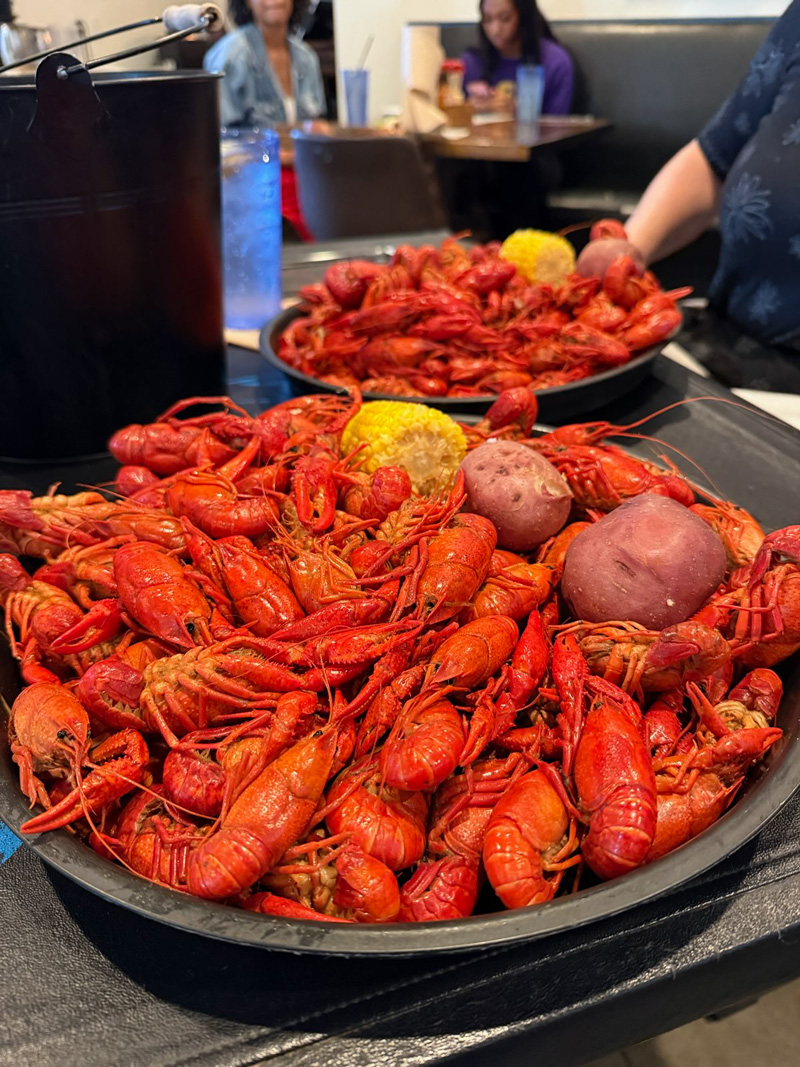
Food is more than a recipe for those from Southern Louisiana.
“South Louisiana’s culture is tied to the food we eat,” says Quenton Fontenot, a biology professor at Nicholls State University.
But with coastal issues impacting marine life, the local seafood industry facing hardships and a spectrum of cultural traditions disappearing, a larger question starts to form.
What happens to the seafood if the coast — their habitat — is threatened?
"South Louisiana’s culture is tied to the food we eat."
Quenton Fontenot
On Marine Habitats and Louisiana’s Seafood Economy
Coastal erosion is the main term people connect with Louisiana’s receding coast. But a healthy coast is exactly what Louisiana seafood relies on to survive.
“Intercoastal areas, the marsh areas, the land that we have, are critical nursery habitat for the young juvenile and small baby shrimp, baby crabs, baby fish and those types of things,” Fontenot says. “If we lose those habitats then we will lose the ability to produce as much seafood as we are because we’re losing the nursery habitat.”
Since the Mississippi River doesn’t flood marshes like it used to, sediment no longer restores elevation and land strength. It breaks more instead.
Although the edge habitat where juvenile marine life thrive most increases with breakage, it remains vulnerable without the protection barrier islands provide from hurricanes and tropical storms.
Fontenot says current restoration techniques lessen deterioration, but without them, Louisiana’s seafood populations may decrease.
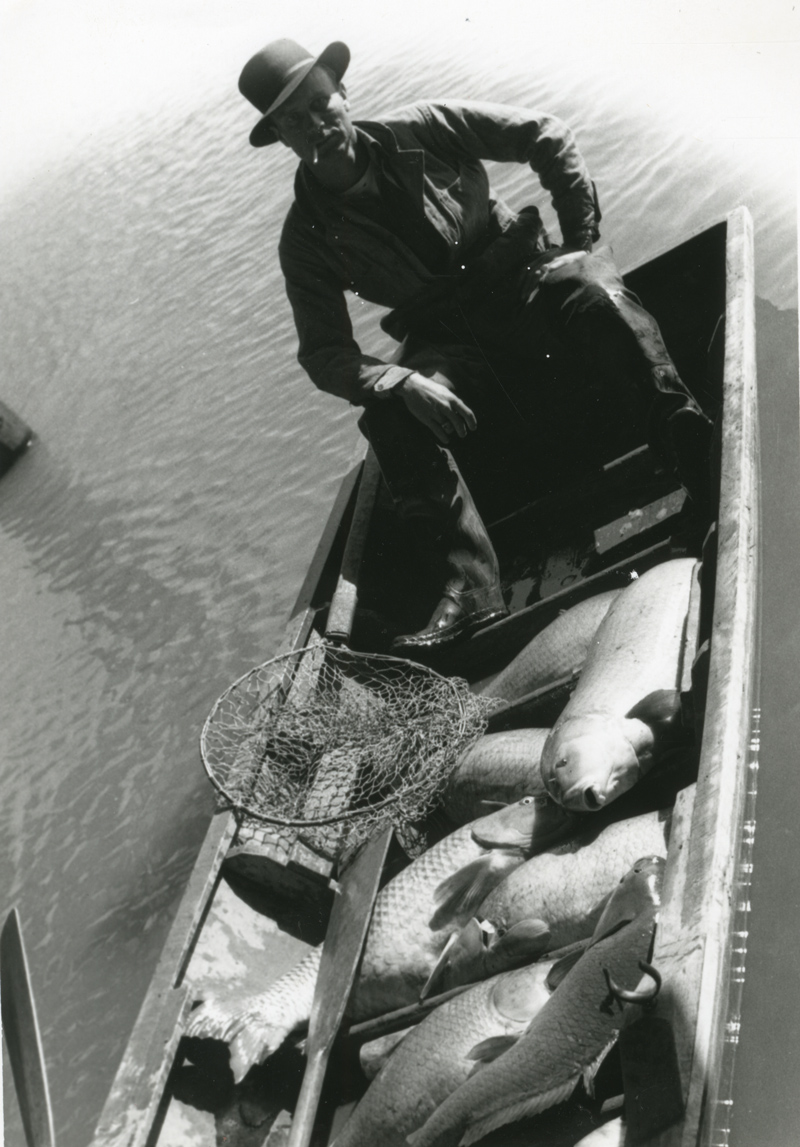
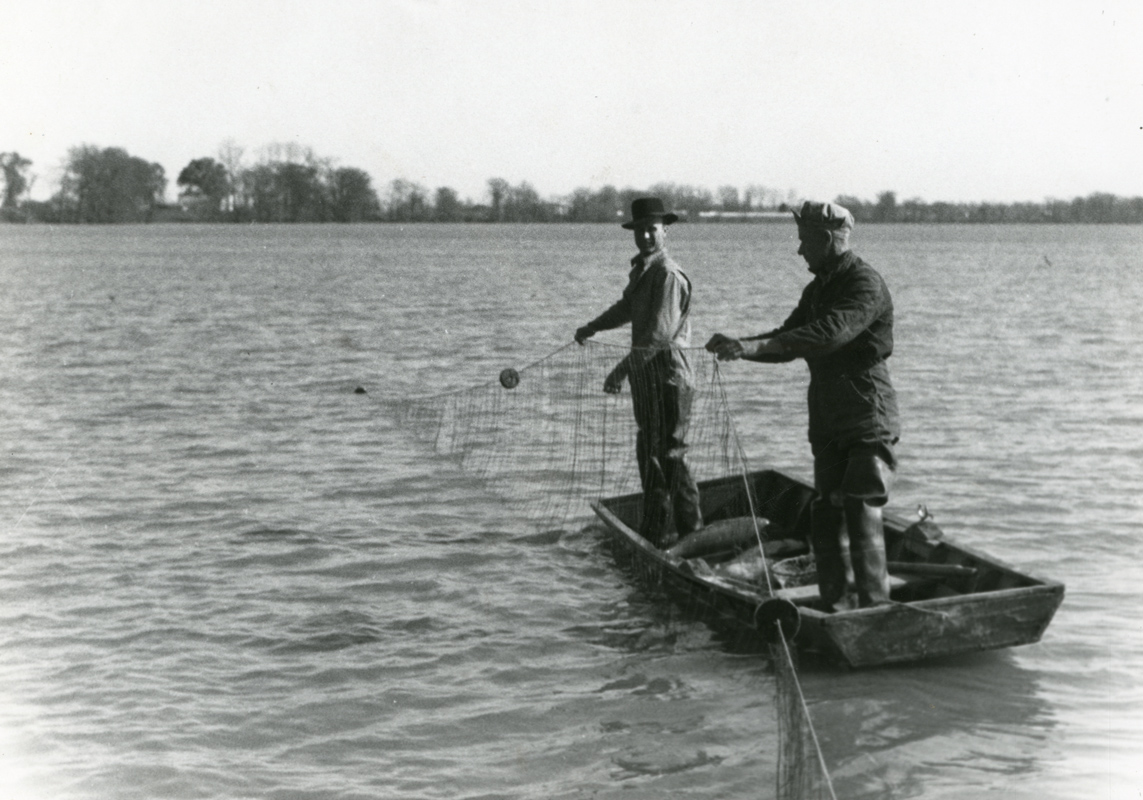
Dr. Martin Meder, an economist and professor at Nicholls, says this decrease and similar factors can impact commercial fisherman’s livelihoods alike.
Between cheaper imported shrimp increasing competition with locally priced shrimp, the decision on what to buy lies in how much a consumer wants to pay.
Without an “economically viable” reason to purchase local, many producers living in commercial fishing locations may leave to find work elsewhere. Meder believes local seafood markets and the culture surrounding those areas could collapse and disappear along with the coast and marine life Fontenot works to preserve.
On Traditions Down the Bayou
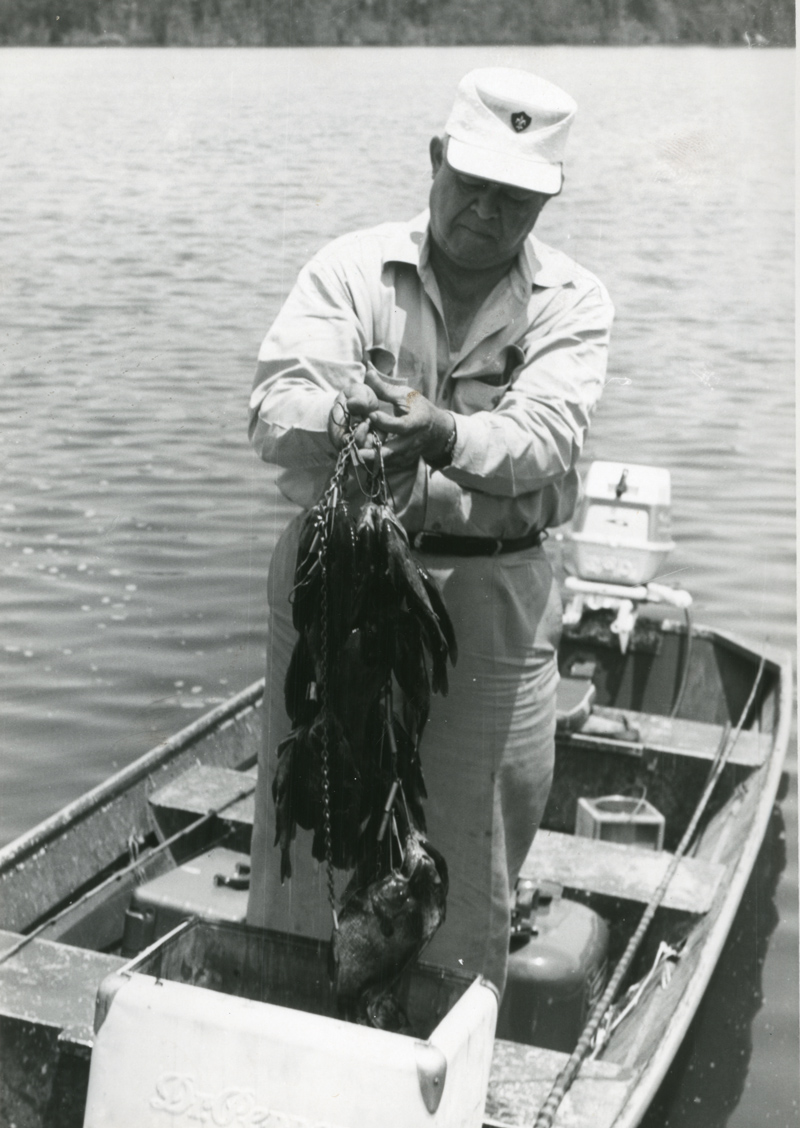
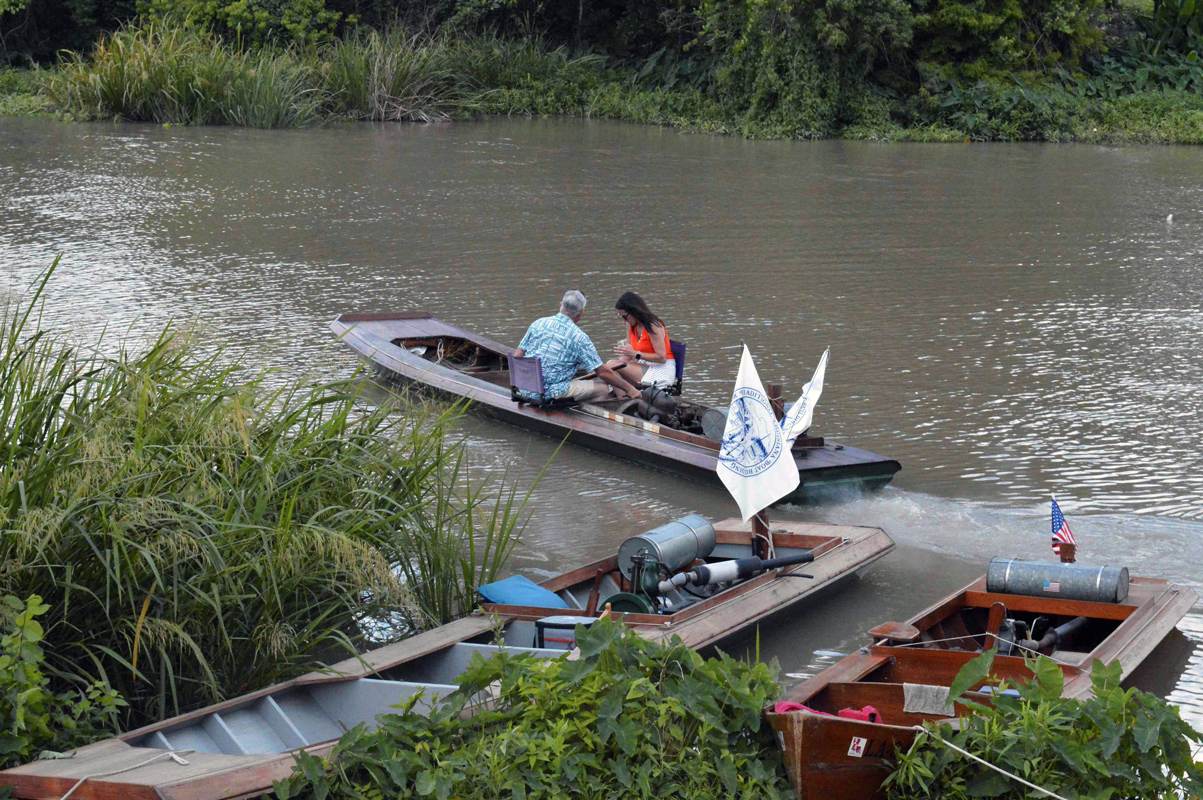
Culture changes as time goes on, but traditions play a significant role in maintaining consistency and values through the ages. Food is one of those traditions that Lindie Guidry-Neal says is synonymous with Louisiana’s culture.
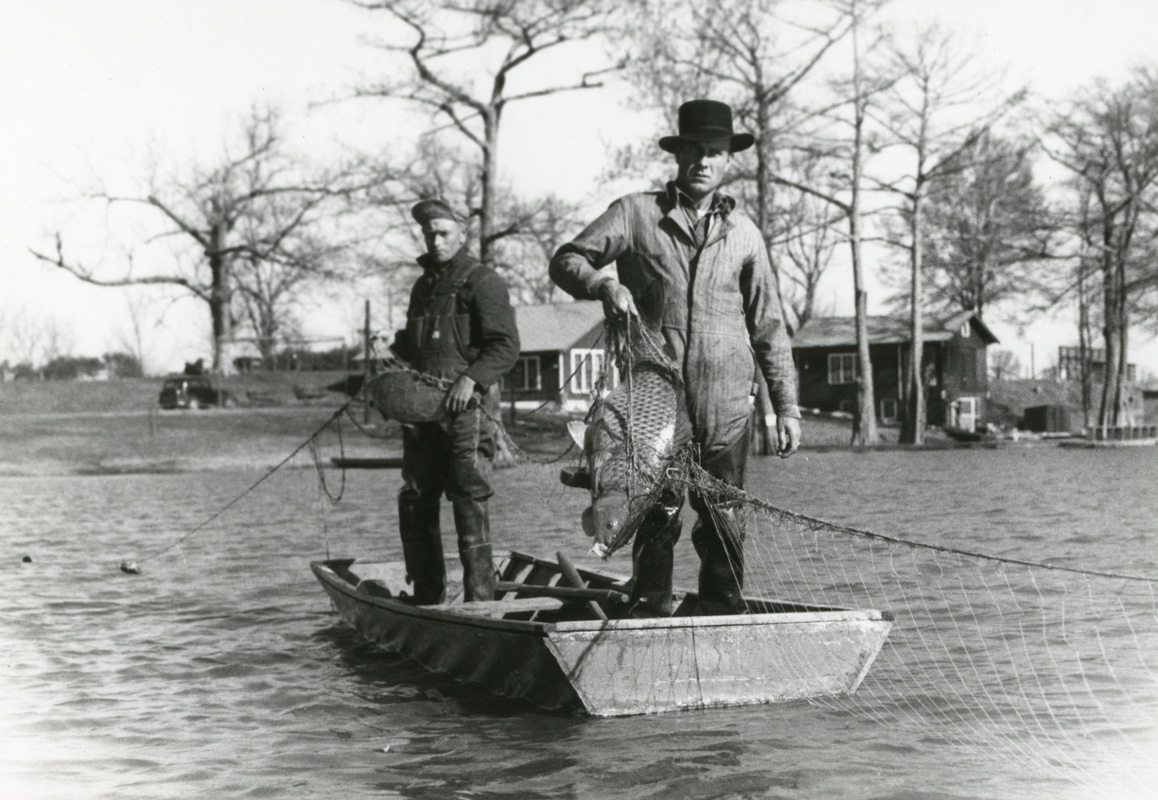
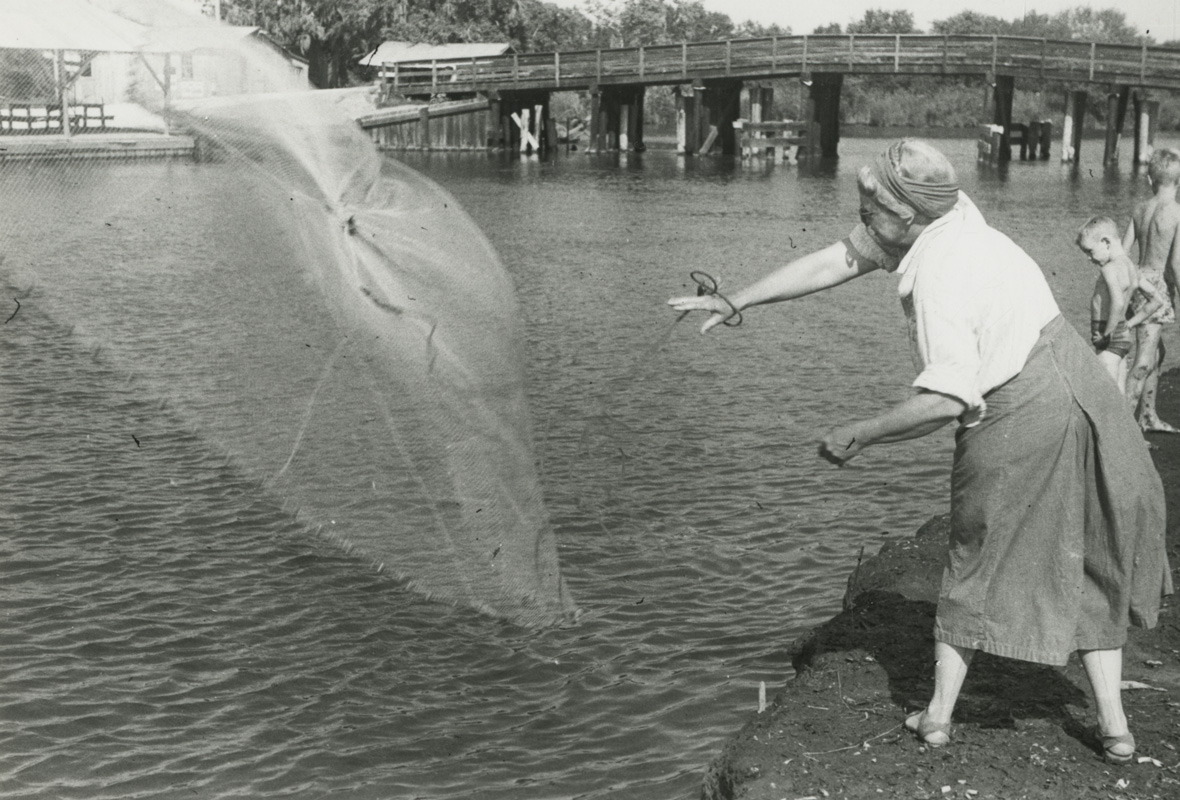
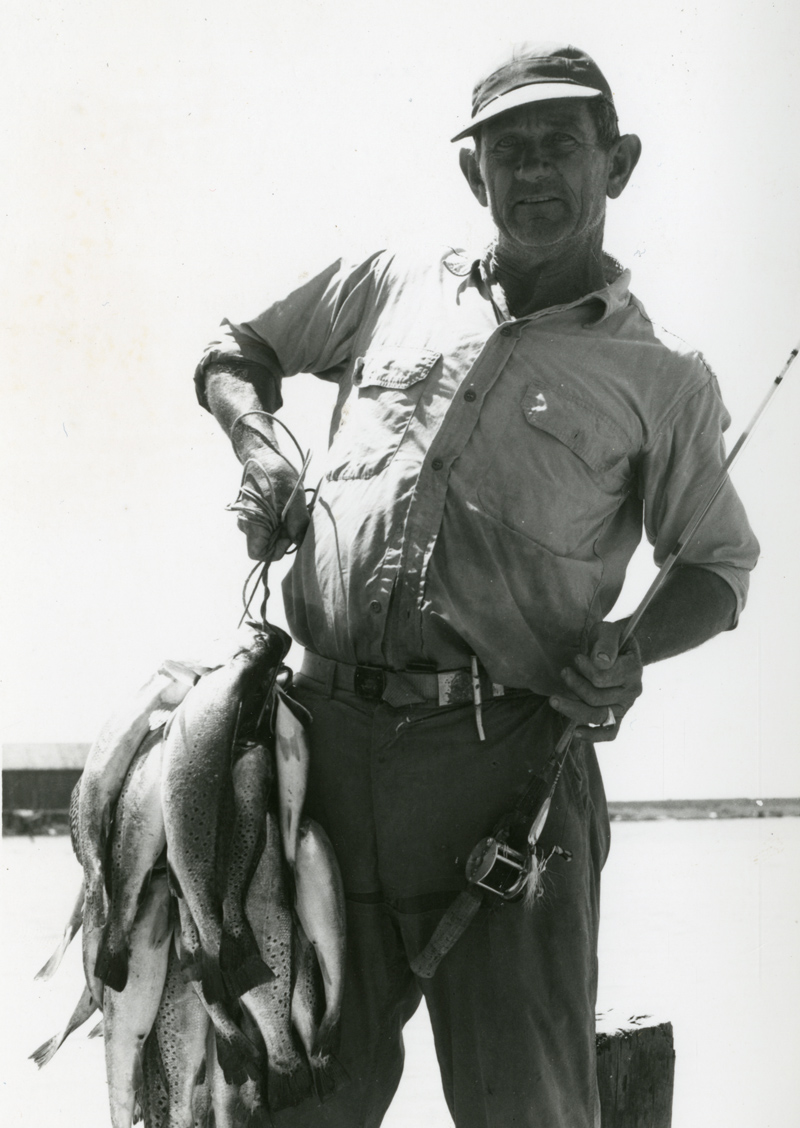
Guidry-Neal grew up in Larose, a small town near Louisiana’s coast. She grew up surrounded by nature, catching and eating seafood brought by her family and friends.
She says buying imported seafood, as a child, was unfathomable since there wasn’t a need to do so. Local markets and vendors were simply “what you had available to you.”
But she’s seen how culture and traditions shifted in her lifetime. She grieves that the local French language, participation in the seafood industry and more are in jeopardy.
She views it as losing a part of herself she’s known all her life.
“If you aren’t intentional about passing these [traditions] onto your children, they just kind of fade,” Guidry-Neal says. “But the experiences that you get from doing these things with people you care about, and then on top of it the skills you gain, they’re incomparable to the convenience of going to the store.”
She believes protecting these traditions are key to conserving south Louisiana’s rich cultural heritage alongside the coast that provides the food and memories she holds dear.
On Preservation
Louisiana’s land and coast provides for its people. But without healthy marshes, continued traditions and consistent business, cultural traditions held together by seafood may disappear.
“I think when you immerse yourself in [the coast] and you experience it firsthand, you build a connection with it,” Guidry-Neal says. “It engenders one to want to fight for it and stand up for it. And I think the more we lose these things, the more we’re going to really, really recognize how much it’s also affecting our culture and how we relate to ourselves and where we’re from.”
“I think when you immerse yourself in [the coast] and you experience it firsthand, you build a connection with it. It engenders one to want to fight for it and stand up for it. And I think the more we lose these things, the more we're going to really, really recognize how much it’s also affecting our culture and how we relate to ourselves and where we’re from.”
Lindie Guidry-Neal