Murders on the Bayou

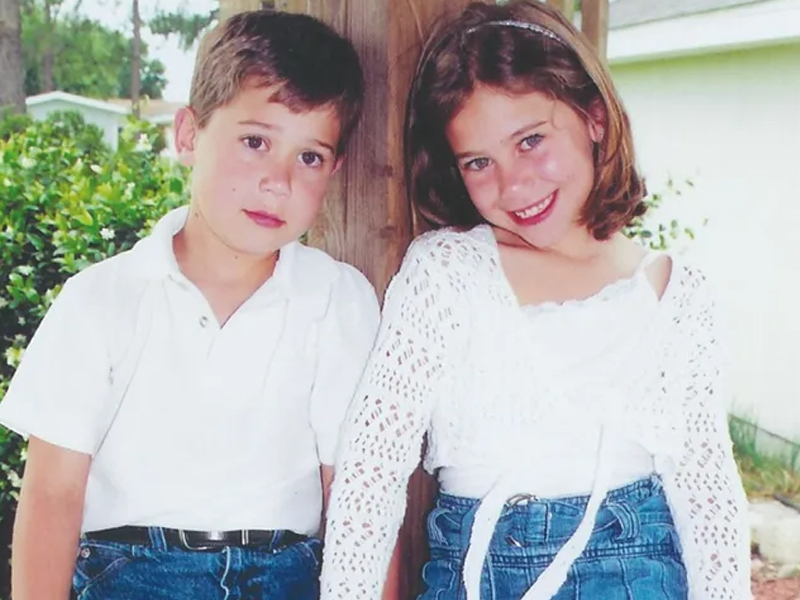
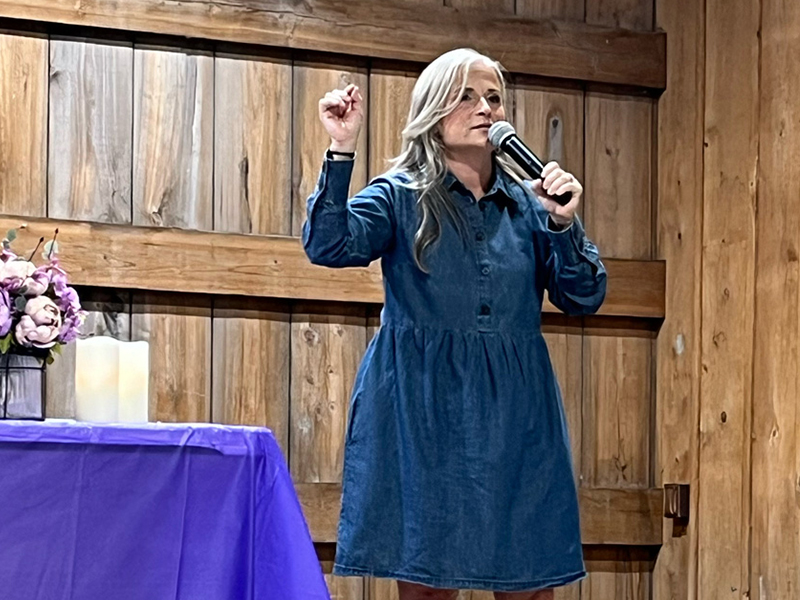
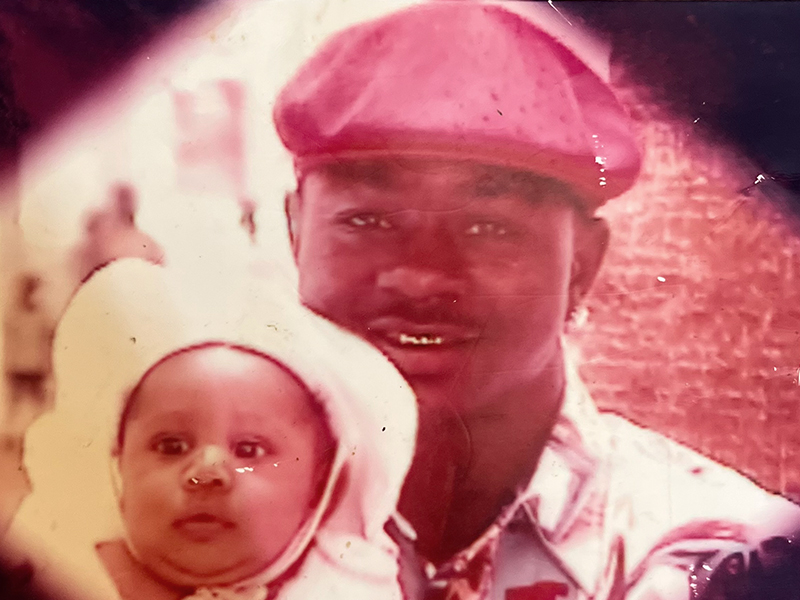
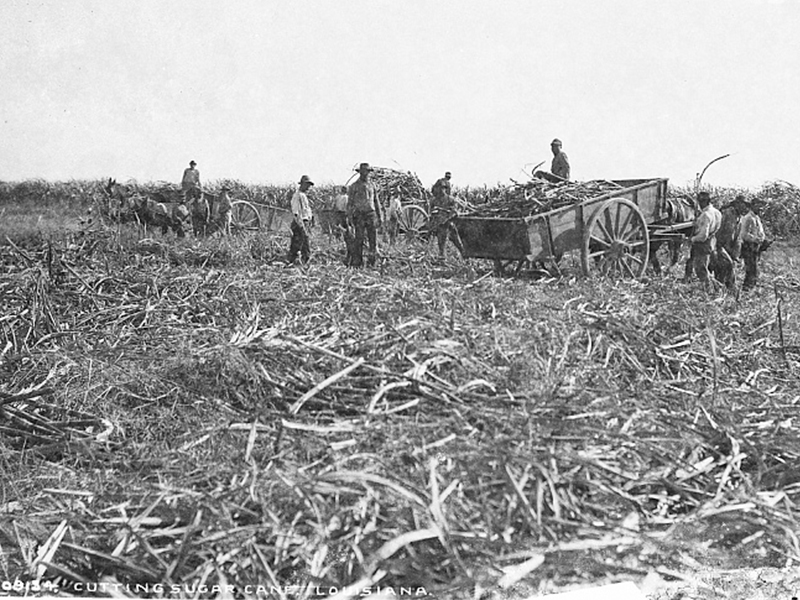
Rhiannon Callais features editor Murder always gets attention; always gets the headlines. In 2024, almost 20 million Americans listened to a true crime podcast in an average week, according to Edison Research. But coverage rarely explores the communities and people affected by these murders. This issue of Lost Bayou shifts the focus. Looking beyond the files, beyond the headlines and beyond the murders. Measuring Loss Louisiana has long been known for high homicide rates. In 2023, the state ranked second in the nation for murders, with 17.8 deaths per 100,000 people, according to America’s Health Rankings analysis of the U.S. Department of Health. Homicide is also the 10th leading cause of death in the state. The FBI ranks parish safety on a letter scale from A to F. Lafourche, Terrebonne, and St. James parishes are 81% less safe than the U.S. average, earning a D rating. Each number represents a life lost and a community forever changed. A name beyond a headline Joycelyn Terrebonne understands this loss firsthand. She lost her grandmother, Enola Boudreaux, 73, to murder on June 22, 1995. When people think about Enola, they think about the news coverage in local papers. Terrebonne says people ask about the details about her death; not her life Born into poverty, Enola left school in the second grade to help raise her siblings. She hummed lullabies to her grandchildren, even if she couldn’t carry a tune. The day her grandmother went missing, Terrebonne says she felt it before she understood it. “I knew something was wrong,” she says. “I think it was the Holy Spirit telling me, but I knew something was wrong.” Enola was killed inside her home, Terrebonne says the shock was impossible to process. “It was like we were in the Twilight Zone,” she says. “It’s like living out of your body. You’re living a nightmare” For Terrebonne’s family, the story did not end with police tape or an investigation; it became a loss that continues today, more than 30 years later. A loss felt in the everyday moments only a family bears and can understand. “It was like we were in the Twilight Zone. It’s like living out of your body. You’re living a nightmare” Joycelyn Terrebonne Thibodaux Massacre Murder has always been a part of Louisiana’s history. The 1887 Thibodaux Massacre was made famous by a book published in 2016 by John DeSantis. DeSantis estimates 30-60 mostly African-American sugar workers were killed after a three-week strike for better wages across Lafourche, Terrebonne, St. Mary, and Assumption parishes. Military forces went house to house, killing workers and their families, says DeSantis. Survivors fled to the swamps, and bodies were dumped in unmarked sites. Historical coverage describes the unrest, the political tension and the aftermath. However, much less is said about the individual lives lost and the families left behind. Descendant of multiple victims, Wiletta Ferdinand, says the massacre still affects her family today, 139 years later. “When you learn this kind of stuff, for people who you carry that same genes, that same blood, of course, you feel hurt, devastated,” Ferdinand says. “They didn’t even have a gun. They weren’t even armed. It’s a very sad situation. And of course, you feel like you lost a loved one.” Murder coverage today As newspapers gained popularity in the 19th and 20th centuries, murder coverage expanded. Today, journalists still wrestle with how to tell these stories. Colin Campo, a journalist working with The Houma Courier, says covering a murder rarely has a clear beginning or end. Campo says families are one of the primary sources of information, yet reporters often arrive while they are still in shock. “What you want to do is put the ball in their court,” Campo says. “You don’t want to cause them more pain. That’s the last thing you want to do” However, once cases go to trial, coverage often shifts. Victims’ families are encouraged not to speak with the media, and the story focuses more on the suspect than the loss. Over time, victims fade into the headlines and gossip, remembered only for the crime and not for their lives. Terrebonne says the murder of her grandmother still feels impossible to understand, even decades later. “When you go through something like that, things don’t pan out right in your mind,” Terrebonne says. “It’s so shocking. Who thinks they’re going to go through something like that in their family? Nobody.” Ronald Dominique’s capture is announced at a press conference in Houma, Louisiana. Courtesy of the Thibodaux Public Library Daily Comet May 6, 2022 The News Star September 24, 2008 Daily Comet July 29, 1987 The Weekly Thibodaux Sentinel August 29, 1874 Back to Issue
Projects for Restoration

Anne-Morgan Simmons design editor
Protecting the Coast

Brogan Burns features editor Louisiana’s land loss crisis continues to erase the coast. “We need to protect, restore, and conserve every acre that we possibly can,” says Polly Glover, project manager of Restore or Retreat, a nonprofit dedicated to restoring the Louisiana coast.. Each generation is doing work to protect the coast from education, to front-line work and advocacy. “We need to protect, restore, and conserve every acre that we possibly can.” Polly Glover Educating Susan Testroet-Bergeron, current geology instructor at Nicholls and former director of the Barrataria Terrebonne National Estuary Program, is now using education to protect the coast. Bergeron, a baby boomer, is working to instill her college students with a desire to take action on Louisiana’s coast. “It came to mind that I should do something important for other people,” Bergeron says. “It gives me a chance to share that knowledge with the next generation because they are inheriting a lot of environmental and geological issues.” Bergeron has begun to see the fruits of her labor only months into teaching, as students are learning new things about the coast. She says some students are even getting involved. “Coastal geology opened my eyes to how much we take Louisiana for granted. I learned that the land isn’t guaranteed,” says Anne-Morgan Simmons, a student in Bergeron’s coastal geology class. “Now that I understand it, I can’t unsee it or ignore it.” Bergeron’s work as an educator is important to the future of the coast, as it inspires the younger generation to protect the coast. “Without education, we won’t be able to inspire new generations of coastal advocates who want to go into careers that will eventually work on saving the coast,” says Nicki Boudreaux, director of education and engagement at BTNEP. “Coastal geology opened my eyes to how much we take Louisiana for granted. I learned that the land isn’t guaranteed. Now that I understand it, I can’t unsee it or ignore it.” Anne-Morgan Simmons In the Field Another place to make progress for Louisiana’s coast is in the field. Hayden David, a member of Gen Z and a biology major at Nicholls, is working at the BTNEP Plant Nursery, helping cultivate plants for use in restoration projects. Recent work focused on a high marsh area near Port Fourchon, which has shown early signs of success. “We’ve seen a larger resurgence of habitat in that high marsh area. So from what we’re doing at BTNEP and planting marsh, we are seeing areas sustained by our plants,” David said. “Us growing the plants here and going out and planting them on the coast is helping.” Other opportunities for students to combat coastal erosion are using drones to conduct aerial land surveys to determine how much land has been lost or taking part in the mass communication department’s environmental class, which is working closely with restoration organizations like BTNEP to plan events and spread awareness. Advocacy Glover, a member of Gen X and the program director of Restore or Retreat, has made a career of advocacy. She has spent most of her career speaking up for others and advocating for Louisiana’s wetlands. “My job consists of going out and getting the volunteers to come with us to participate in projects and site-specific vegetative plantings out in the wetlands in South Louisiana,” Glover says. Her stories of coastal land loss are what make her advocacy so powerful. She grew up on the coast, experiencing it with her father, a state-employed engineer working on the coast. “He introduced me to the wetlands as a young child, so I had the opportunity to watch it all disappear,” Glover says. “That drives my advocacy.” Glover has shared her story at conferences focused on restoration efforts and in front of government officials to push restoration bills. Her story became so powerful that it gained national and international attention in an interview with the Washington Post, helping to spread awareness of the crisis even further. Sharing stories of coastal life, Boudreaux says, is the best way to spread awareness of the coastal crisis. “Tell your stories, that’s the most important thing,” Boudreaux says. Everyone’s Work Not everyone has a story like Glover’s, does fieldwork like David, or teaches at a university like Bergeron, but everyone can do something, says Bergeron. One easy way to get involved is to vote. Bergeron says, “Citizens have the responsibility, if they live in America, to contact their delegates and say, ‘this is how I want you to vote.’” Volunteering your time and passing on lived experiences to the younger generation is another thing everyone can do to effect change. “Volunteer your time when you can to help with restoration projects, teach your kids the way of life you experienced, taking them hunting and fishing,” Boudreaux says. “All of that is key to educating people.” A closer look Generations on the Coast Troy Daigle video editor https://youtu.be/2Ifq1euZW2whttps://youtu.be/hLM3qRO8sq8https://youtu.be/WkxmsYF-lCk
Communities on the Edge

Matt Santiago staff writer Communities along the coast are threatened by growing land loss. According to the Coastal Protection and Restoration Authority (CPRA), Louisiana has lost almost 2,000 square miles of land since the 1930s, with an additional 3,000 square miles of land potentially being lost in the next 50 years. But this isn’t just land, it’s communities like Isle de Jean Charles, Cocodrie and Venice. “A narrow strip of land, that’s where everyone lives now,” says Kerry St. Pé, former director of BTNEP and Port Sulphur native. The loss of land, homes, and culture that St. Pé felt in his home is something that almost all coastal residents can relate to. “The house that I grew up in,” St. Pe says. “I flew over Port Sulphur, and I couldn’t see our home.” When land is lost, homes are lost, and, eventually, culture is lost. “I know you view things differently as a child, but still, the land that I can remember was so much larger than what we have now,” says Chad Willingham, a native of Grand Isle. “The marsh behind Grand Isle, you did not always see these large portions of water.” The barrier islands and marshes help reduce storm surge, according to the CPRA. The loss of these islands and marshes only increases the risk of flooding, leading to further land loss. Willingham says, “It’s one thing for a scientist to say ‘you lose a football field of wetlands every hour’ and that’s staggering, but it doesn’t have the same effect on somebody unless they live in it and they can tell you what it feels like to experience a situation like that.” “It’s one thing for a scientist to say ‘you lose a football field of wetlands every hour’ and that’s staggering, but it doesn’t have the same effect on somebody unless they live in it and they can tell you what it feels like to experience a situation like that.” Chad Willingham Golden Meadow, Louisiana Matt Santiago The gulf beach on Grand Isle, Louisiana Matt Santiago Grand Isle, Louisiana Matt Santiago Chauvin, Louisiana Matt Santiago A closer look Communities on the Edge Mark Bourgeois staff https://youtu.be/2Ifq1euZW2whttps://youtu.be/hLM3qRO8sq8https://youtu.be/WkxmsYF-lCk
The Business of Land Loss

Brogan Burns features editor On average flooding causes 15.2 billion dollars in damage annually, but the Coastal Protection and Restoration Authority says as land around levee systems erodes that yearly average could increase to 24.3 billion dollars. The CPRA says that increase could be “catastrophic” in other areas of the economy. Economic troubles caused by flooding are the result of increasingly strong hurricanes, which are strengthened by a shrinking coast with an ever decreasing buffer zone from water. And as the buffer zone decreases, water continues to move closer. “Deterioration of coastal marshes means these levees are increasingly exposed to open water,” according to the Coast 2050: Toward a Sustainable Coastal Louisiana report. “All infrastructure along the unleveed corridors is subject to sinking and exposure to waves, tides, and storm surges.” That destruction has caused insurance costs to increase across Louisiana’s coastal regions. Galiano resident Mary Gisclair saw her home owner’s policy double in price recently and flood insurance more than triple in the last seven years. “My home owners policy, which used to cost $2,000 is now $4,000,” she says. “And following [Hurricane] Ida, flood insurance went from $300 up to $1,000 now.” “My home owners policy, which used to cost $2,000 is now $4,000.” Mary Gisclair A rise in prices can be attributed to the cost of rebuilding, which has influenced the price of claims for insurance companies. “The cost to rebuild or repair a home or business has gone up significantly, and this is a factor used to determine premiums,” according to America’s Flood. “That price increase translates into an increase in the cost of claims for flood insurance companies, forcing them to increase premiums further.” Gisclair says it is hurting people who struggle to keep up with rising costs. “I drive through and there are still houses with tarps on them [from Ida] because either they didn’t receive their claim or haven’t found contractors,” Gisclair says. Following the hurricane, watching homes and buildings left damaged, she says she realized how hard the effects of insurance increases were on others. “It’s a shame because a lot of people can’t afford to pay an extra $2,000 every year.” Businesses Depend on Coastal Land Troy Daigle video editor https://youtu.be/3p8seLONawAhttps://youtu.be/i_zk72Lu_Kk
Louisiana’s Land Loss Crisis

Brogan Burns features editor Louisiana is home to the fastest-disappearing land mass in the US, stretching from Plaquemines and Lafourche parishes as far north as Point Coupee and home to over 600,000 people. The Louisiana coast has been experiencing this crisis for the better part of the last century and likely longer than that. Between 1932 and 2016, Louisiana lost 2,006 square miles of its coast, an area equivalent to more than 10 times the size of New Orleans, according to a 2016 study produced by the U.S. Geological Survey. “A whole lot can be lost without it being noticed; that way, people don’t get alarmed,” says Gary LaFleur, a biology professor at Nicholls State University in Thibodaux. “A whole lot can be lost without it being noticed; that way, people don’t get alarmed.” Gary LaFleur An Invisible Crisis Despite the problem beginning decades ago, it was not until 2007, two years after Hurricanes Katrina and Rita devastated Southeast Louisiana, that the state began to fund a master plan by the Coastal Protection and Restoration, which says the plan has an “emphasis on improving protection from storm surge-based flooding and creating a sustainable ecosystem.” The time elapsed from the start of the crisis to the funding of a state restoration plan is due to Louisiana’s unique geography. Unlike most of the world, Louisiana’s coast is made up of soft marshland, which struggles to hold up the weight of a person, making permanent settlement impossible. Lack of use of the coastal land has left its disappearance unnoticed, allowing coastal erosion to fester quietly, leaving a fast-moving crisis, LaFleur says. Causes Geography left the extent of the crisis relatively unnoticed, but a range of factors, both natural and mostly man-made, are to blame for the large losses of land. Sediment displacement and subsidence are the surface-level reasons for the crisis, but both causes find their roots in man-made changes to the land and waterways, known as hydrological modifications. The most used form of these modifications is levees. “Human hydrologic modifications have led to this accelerated subsidence, which is like sinking,” LaFleur says. French settlers learned early in the 1700s that land along the Mississippi River is flood-prone, building the first levees in New Orleans in 1719, only two years after founding the city. Originally, these levees were used to protect life and property, but over time, they led to sediment displacement. Natural flooding of the Mississippi River deposited sediment in the flooded areas, replenishing and building land; however, with levees restricting its natural flow, sediment is going out of the delta and into the Gulf of Mexico. Without the sediment being naturally deposited, it has allowed erosion and land degradation, which has forced the land to subside. Although human-made causes have accelerated the land-loss crisis, natural and environmental Factors can not be ignored. Hurricanes and sea level rise have played a constant role in the crisis. Hurricanes are large, catastrophic events that have the power to displace tremendous amounts of land and also destroy entire barrier islands, says LaFleur. Sea level rise accelerates the crisis at a much slower, but more constant rate. Water rise meets subsidence, sinking the land much quicker than subsidence alone. Environmental stressors such as the introduction of the invasive nutria rat and the pervasiveness of offshore oil drilling are smaller, yet key factors. Politics Coastal scientists and activists have worked for years pitching and creating restoration projects. Still, in recent months, Louisiana Gov. Jeff Landry effectively killed two of these projects, according to Restore the Mississippi River Delta. The Mid-Barataria Sediment Diversion and Mid-Breton Sediment Diversion projects had their permits suspended this year, halting years of progress. Tyler Duplantis, a Houma resident and member of the United Houma Nation, believes that with the coast and other environmental issues becoming politicized in recent years, it is important to ignore the politics and come together to protect the coast and its people. “We need to educate people on the matter and not look at it as political, but instead as keeping our Bayou community strong,” Duplantis says. “I like to think in Louisiana, we are united as one family, and if one of our family members has to relocate because of land loss, we have to take care of them by realizing the problem and fixing it.” “I like to think in Louisiana, we are united as one family, and if one of our family members has to relocate because of land loss, we have to take care of them by realizing the problem and fixing it.” Tyler Duplantis More than Land As land recedes from the coast, water is allowed to move further inland, resulting in changes to the lives and cultures of those affected. Flooding became, at times, a daily challenge for Former Grand Isle resident Rhiannon Callais, who says she would often wade through water when a not-so-unusual high tide flooded parts of the island. This flooding could often force children to miss school, as buses were unable to reach students. Point aux Chenne in Terrebonne Parish is a prime example of the effect land loss has had on people. The Island, which was home to members of the Biloxi-Chitimacha tribe, has lost 98% of its land, forcing residents out for safety. In 2018, the US government recognized this issue and offered assistance in relocating from their island, making them the first climate refugees. Although they received land close to nearby Houma to protect life, their way of life is beginning to change as many are forced to get jobs that no longer use water, losing touch with their old way of life and each other as they move. Other area tribes, like the United Houma Nations, have struggled with the movement of their people and the fight to retain their culture. “A lot of our elders had to move away from where they grew up along the Bayou,” Duplantis says. “When you have to relocate to a place that you’re unfamiliar with, you lose
The North African Campaign

kade bergeron features editor Prisoners of war engaged in a variety of recreational and creative activities during their time in captivity. From playing soccer and card games to painting and woodworking, these activities offered the prisoners both physical and mental respite. For most of the day, the prisoners of war worked in fields and were occasionally allowed to enjoy recreational activities. Everet Hallback, whose father worked as a mechanic while the POW camps were in South Louisiana, says the prisoners enjoyed playing with the stray dogs while waiting for transportation back to the camps. And some liked to play various card games once they got back to the camps. Glenn Falgoust, a journalist who researched the Donaldsonville POW camps, says, “They played soccer, had a little sports field, and a dance hall.” “They played soccer, had a little sports field, and a dance hall.” Glenn falgoust In addition, some prisoners painted. Linda Theriot, an executive at The Houma Regional Military Museum, says a Houma camp prisoner, Otto Webber, painted multiple paintings, including a self portrait with his son. Some prisoners were interested in woodworking and masonry. “Sometimes there were training walls, like along a ditch or steps up to a house or up a hill,” says Brian Davis, executive director for the Louisiana Trust for Historic Preservation, about the Ruston camp. “Some of them were laid out by prisoners who would do work details out in the community at the time as well.” However, not all activities were physical like playing sports. Some of the activities were there to help the prisoners spiritually or mentally. A few camps allowed Catholic Mass for prisoners. In addition, Theriot says some prisoners may have been taught by teachers employed by their employer’s families — like the Matherne family who employed POWs from one of the Houma camps. The Battle in North Africa Most of the POWs held in Louisiana were captured in North Africa, more than 3,000 miles from their homes in Germany and more than 7,000 miles from Louisiana. Maps of the Axis advances in North Africa 1941. Photo Credit: The United States Military Academy Department of History Allied troops marching through Tunis following Allied success against Axis forces in the African Campaign. Tunis, Tunisia, May 20, 1943. Photo Credit: Library of Congress Panzer tanks of Erwin Rommel_s Africa Corps during an advance against British armed forces. Libya, 1941-1942. Photo Credit: National Archives and Records Administration, College Park, MD A British infantryman capturing a German tank crewman at El Alamein, 1942. Photo Credit: National Army Museum British troops help a wounded German prisoner, 1942. Photo Credit: National Army Museum British troops arrive in Tunis, May 1943, where the German P.O.W.s fought and were captured. Photo Credit: National Army Museum German prisoners of war under guard by a signpost to El Alamein, 1942. Photo Credit: National Army Museum Infantry moving up during 1st Army’s attack on Longstop Hill, Tunisia, April 1943. Photo Credit: National Army Museum New Zealander soldiers capturing Germans, December 3, 1941. Photo-Credit: Imperial War Museums
Life in Germany

Most of the POWs held in Louisiana came from Germany, more than 5,000 miles away from Louisiana. Bastei Bridge (Basteibrucke) with Lilienstein Mountain on background – Bastei, Saxony, Germany City hall of Wernigerode, Germany. Present-day Saxony, Germany, where many-German P.O.W.s originated. Photo Credit: Cheryl Call Dresden Cathedral of the Holy Trinity Hofkirche and Dresden Castle Hausmannsturm on Theaterplatz. Langelsheim, Niedersachsen, Germany. Photo Credit: Wolfgang Weiser Lauenburg-Elbe, Schleswig-Holstein, Germany. Photo Credit: Wolfgang Weiser Small village and Elbe river band in front of Bastei sandstone rocks in Saxony, Germany. kade bergeron features editor Prisoners of war engaged in a variety of recreational and creative activities during their time in captivity. From playing soccer and card games to painting and woodworking, these activities offered the prisoners both physical and mental respite. For most of the day, the prisoners of war worked in fields and were occasionally allowed to enjoy recreational activities. Everet Hallback, whose father worked as a mechanic while the POW camps were in South Louisiana, says the prisoners enjoyed playing with the stray dogs while waiting for transportation back to the camps. And some liked to play various card games once they got back to the camps. Glenn Falgoust, a journalist who researched the Donaldsonville POW camps, says, “They played soccer, had a little sports field, and a dance hall.” “They played soccer, had a little sports field, and a dance hall.” Glenn falgoust In addition, some prisoners painted. Linda Theriot, an executive at The Houma Regional Military Museum, says a Houma camp prisoner, Otto Webber, painted multiple paintings, including a self portrait with his son. Some prisoners were interested in woodworking and masonry. “Sometimes there were training walls, like along a ditch or steps up to a house or up a hill,” says Brian Davis, executive director for the Louisiana Trust for Historic Preservation, about the Ruston camp. “Some of them were laid out by prisoners who would do work details out in the community at the time as well.” However, not all activities were physical like playing sports. Some of the activities were there to help the prisoners spiritually or mentally. A few camps allowed Catholic Mass for prisoners. In addition, Theriot says some prisoners may have been taught by teachers employed by their employer’s families — like the Matherne family who employed POWs from one of the Houma camps. Most of the POWs held in Louisiana came from Germany, more than 5,000 miles away from Louisiana. Bastei Bridge (Basteibrucke) with Lilienstein Mountain on background – Bastei, Saxony, Germany City hall of Wernigerode, Germany. Present-day Saxony, Germany, where many-German P.O.W.s originated. Photo Credit: Cheryl Call Dresden Cathedral of the Holy Trinity Hofkirche and Dresden Castle Hausmannsturm on Theaterplatz. Langelsheim, Niedersachsen, Germany. Photo Credit: Wolfgang Weiser Lauenburg-Elbe, Schleswig-Holstein, Germany. Photo Credit: Wolfgang Weiser Small village and Elbe river band in front of Bastei sandstone rocks in Saxony, Germany.
The Donaldsonville Camp: Escape Attempts

jacob levron staff Glenn Falgoust lives in Napoleonville, Louisiana, and has researched the Donaldsonville German POW camp extensively. Stan Duvall
Thibodaux Camp: What’s Left
Jacob Levron staff