Louisiana’s Land Loss Crisis

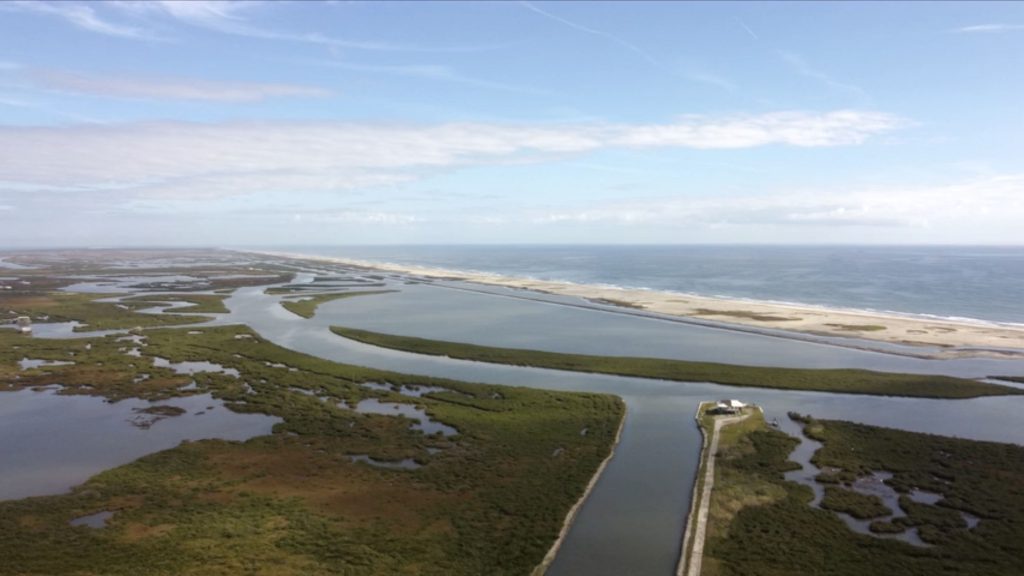
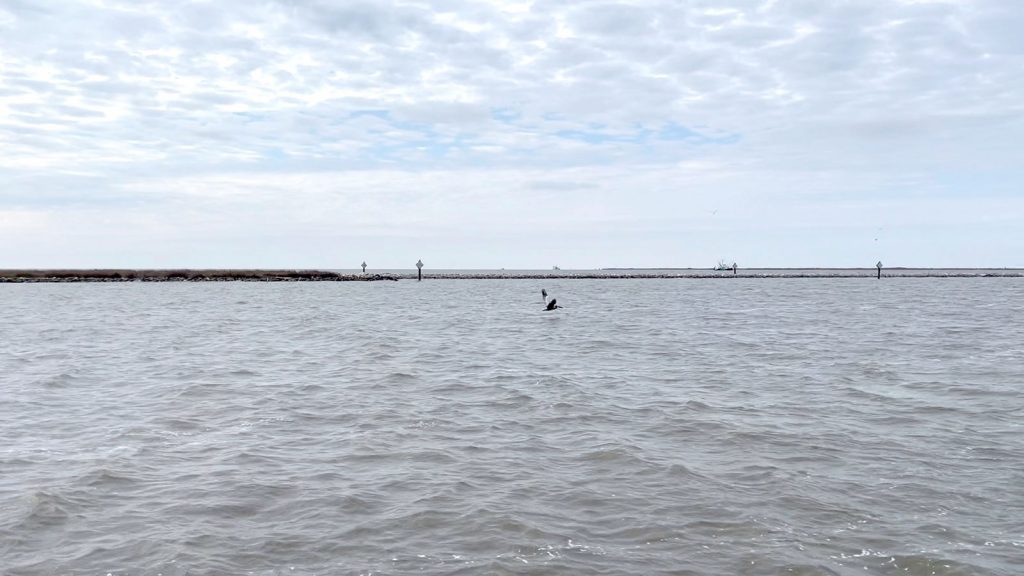
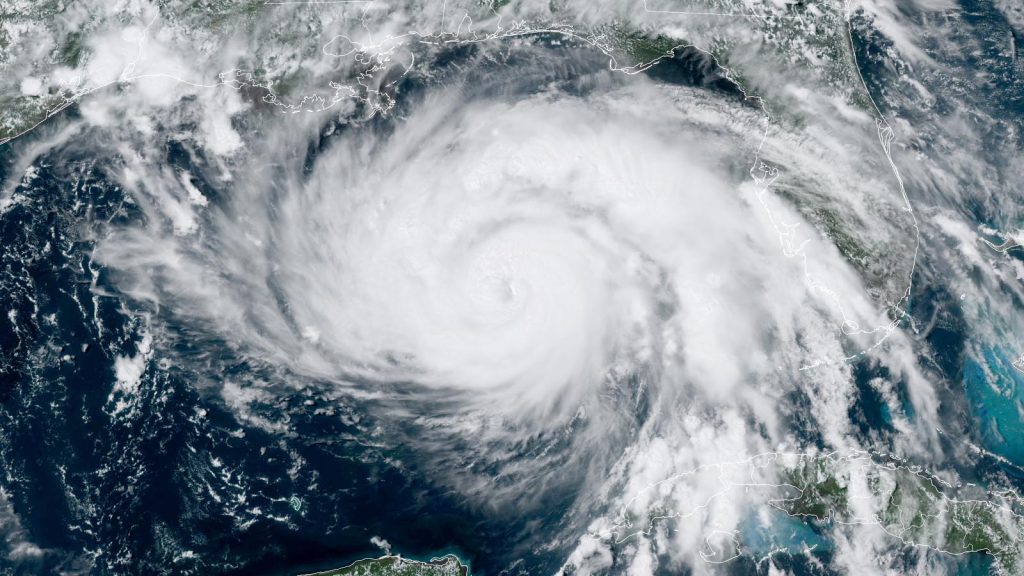
Brogan Burns features editor Louisiana is home to the fastest-disappearing land mass in the US, stretching from Plaquemines and Lafourche parishes as far north as Point Coupee and home to over 600,000 people. The Louisiana coast has been experiencing this crisis for the better part of the last century and likely longer than that. Between 1932 and 2016, Louisiana lost 2,006 square miles of its coast, an area equivalent to more than 10 times the size of New Orleans, according to a 2016 study produced by the U.S. Geological Survey. “A whole lot can be lost without it being noticed; that way, people don’t get alarmed,” says Gary LaFleur, a biology professor at Nicholls State University in Thibodaux. “A whole lot can be lost without it being noticed; that way, people don’t get alarmed.” Gary LaFleur An Invisible Crisis Despite the problem beginning decades ago, it was not until 2007, two years after Hurricanes Katrina and Rita devastated Southeast Louisiana, that the state began to fund a master plan by the Coastal Protection and Restoration, which says the plan has an “emphasis on improving protection from storm surge-based flooding and creating a sustainable ecosystem.” The time elapsed from the start of the crisis to the funding of a state restoration plan is due to Louisiana’s unique geography. Unlike most of the world, Louisiana’s coast is made up of soft marshland, which struggles to hold up the weight of a person, making permanent settlement impossible. Lack of use of the coastal land has left its disappearance unnoticed, allowing coastal erosion to fester quietly, leaving a fast-moving crisis, LaFleur says. Causes Geography left the extent of the crisis relatively unnoticed, but a range of factors, both natural and mostly man-made, are to blame for the large losses of land. Sediment displacement and subsidence are the surface-level reasons for the crisis, but both causes find their roots in man-made changes to the land and waterways, known as hydrological modifications. The most used form of these modifications is levees. “Human hydrologic modifications have led to this accelerated subsidence, which is like sinking,” LaFleur says. French settlers learned early in the 1700s that land along the Mississippi River is flood-prone, building the first levees in New Orleans in 1719, only two years after founding the city. Originally, these levees were used to protect life and property, but over time, they led to sediment displacement. Natural flooding of the Mississippi River deposited sediment in the flooded areas, replenishing and building land; however, with levees restricting its natural flow, sediment is going out of the delta and into the Gulf of Mexico. Without the sediment being naturally deposited, it has allowed erosion and land degradation, which has forced the land to subside. Although human-made causes have accelerated the land-loss crisis, natural and environmental Factors can not be ignored. Hurricanes and sea level rise have played a constant role in the crisis. Hurricanes are large, catastrophic events that have the power to displace tremendous amounts of land and also destroy entire barrier islands, says LaFleur. Sea level rise accelerates the crisis at a much slower, but more constant rate. Water rise meets subsidence, sinking the land much quicker than subsidence alone. Environmental stressors such as the introduction of the invasive nutria rat and the pervasiveness of offshore oil drilling are smaller, yet key factors. Politics Coastal scientists and activists have worked for years pitching and creating restoration projects. Still, in recent months, Louisiana Gov. Jeff Landry effectively killed two of these projects, according to Restore the Mississippi River Delta. The Mid-Barataria Sediment Diversion and Mid-Breton Sediment Diversion projects had their permits suspended this year, halting years of progress. Tyler Duplantis, a Houma resident and member of the United Houma Nation, believes that with the coast and other environmental issues becoming politicized in recent years, it is important to ignore the politics and come together to protect the coast and its people. “We need to educate people on the matter and not look at it as political, but instead as keeping our Bayou community strong,” Duplantis says. “I like to think in Louisiana, we are united as one family, and if one of our family members has to relocate because of land loss, we have to take care of them by realizing the problem and fixing it.” “I like to think in Louisiana, we are united as one family, and if one of our family members has to relocate because of land loss, we have to take care of them by realizing the problem and fixing it.” Tyler Duplantis More than Land As land recedes from the coast, water is allowed to move further inland, resulting in changes to the lives and cultures of those affected. Flooding became, at times, a daily challenge for Former Grand Isle resident Rhiannon Callais, who says she would often wade through water when a not-so-unusual high tide flooded parts of the island. This flooding could often force children to miss school, as buses were unable to reach students. Point aux Chenne in Terrebonne Parish is a prime example of the effect land loss has had on people. The Island, which was home to members of the Biloxi-Chitimacha tribe, has lost 98% of its land, forcing residents out for safety. In 2018, the US government recognized this issue and offered assistance in relocating from their island, making them the first climate refugees. Although they received land close to nearby Houma to protect life, their way of life is beginning to change as many are forced to get jobs that no longer use water, losing touch with their old way of life and each other as they move. Other area tribes, like the United Houma Nations, have struggled with the movement of their people and the fight to retain their culture. “A lot of our elders had to move away from where they grew up along the Bayou,” Duplantis says. “When you have to relocate to a place that you’re unfamiliar with, you lose
POW Camps in the Bayou Region

kade bergeron features editor When most think of World War II, the focus shifts straight to military involvement, Adolf Hitler, the Holocaust, and a war thousands of miles away. But the impact of the war came to the Bayou Region of South Louisiana as prisoners of war were brought into camps to help with local industry while workers fought overseas. “My mother and her cousins used to ride their bikes alongside the camp in Mathews when they were little,” says Wendy Phillips, resident of Raceland. “The prisoners were there, mostly to help pick up sugarcane scraps from the sugarcane company.” “My mother and her cousins used to ride their bikes alongside the camp in Mathews when they were little.” Wendy Phillips Throughout the region, prisoner-of-war (POW) camps were set up to contain the Axis soldiers and assist in labor shortages. In all, Louisiana was home to 52 POW camps throughout the state, according to the National World War II Museum. In the United States as a whole, more than 425,000 prisoners of war were sent to over 700 camps with most located in the South and Southwest, according to the National Park Service. There were multiple reasons for prisoners to be captured and dispersed at the camps. The start of this operation came from Great Britain, which had an abundance of prisoners who were filling up their camp’s space, therefore the United States agreed to take some in, according to the Prisoner of War Labor article in the Nicholls State University archives. Specifically, Louisiana had thousands of men deployed in the war, leaving farms, crops, and agricultural businesses without abundant labor. There were severe shortages of workers for these industries, and this allowed prisoners to be put to work to support and boost the American economy during the war. Prisoners mostly worked in the sugar, rice, and cotton industries, according to the Bayou Stalags article in the Nicholls State University archives. The Bayou Region parishes were home to over six camps including areas such as Thibodaux, Houma, Lockport, Mathews, and Donaldsonville, with a combined total of 2,555 prisoners as of 1945 data associated with the Nicholls State University Archives. The sole industry for the camps of the Bayou Region was sugar. For many current residents of the area, the prisoner-of-war camps along the bayous are completely unknown. Danielle Boudreaux, a resident of North Thibodaux, lives directly across the street from the POW camp location on Coulon Road in Thibodaux. Her home’s location is part of the historical site that housed 482 prisoners on its campus assisting directly in sugar cane production. “The neighborhood’s original two members just recently passed, and most likely the majority of the information regarding the camps went with them as well.” Danielle Boudreaux, who lives nextto the former Thibodaux POW camp location. “For me personally, I know very little about the camps, but I can guarantee there are some in this neighborhood that know nothing about it,” says Danielle Boudreaux, who lives on North 7th Street next door to the Thibodaux POW camp location. “The neighborhood’s original two members just recently passed, and most likely the majority of the information regarding the camps went with them as well.” Currently, the remnants of camps across the region have very little evidence of their past. It is hardly recognizable. The Thibodaux camp is now a residential neighborhood and a John Deere facility. The Lockport camp is a chemical plant, and likewise, the same can be said regarding the other Bayou Region locations. There are traces of families of German descent from World War II here in Southern Louisiana, as well as elderly community members who remember these camps from when they were children. To keep these local stories alive, Garde Voir Ci will unpack the life of the prisoners, the area of the camps, and their impact on the region. POW Camps in the United States during World War II The POW camp in Valentine, Louisiana, in 1943. Photo Credit: Nicholls Archive The Thibodaux camp’s POW soccer team. Photo Credit: Nicholls Archives Tents at the North Thibodaux POW camp. Photo Credit: Nicholls State Archives, Litt Martin Collection Scrip, a form of currency valid only within the camp, paid to German POWs at the camp in Ruston, Louisiana. The Shreveport Journal March 16, 1979 Thibodaux German POW campsite. Photo Credit: Evert Halbach Collection and Nicholls Archives & Special Collections Hospital and kitchen at the Thibodaux POW campsite. Photo Credit: Evert Halbach Collection and Nicholls Archives & Special Collections Portrait of Military employees John Hoffman, Mike Harris, Mary Snelling, and Charles Torrey in front of Camp Headquarters. Photo Credit: LDL/Louisiana Tech University/Camp Ruston Collection. Captured German submarine U-505 with escorts. Photo Credit: LDL/Louisiana Tech University/Camp Ruston Collection. Aerial view of road outside Ruston Camp. Photo Credit: LDL/Louisiana Tech University/Camp Ruston Collection. Camp Ruston’s Christmas Dinner Menu. Photo Credit: LDL/Louisiana Tech University/Camp Ruston Collection. Grave site of German Soldier Ernst Paul. Photo Credit: LDL/Louisiana Tech University/Camp Ruston Collection.
AI @ Nicholls State University

lance jones staff As artificial intelligence becomes more and more a part of daily life, universities are grappling with how to integrate machine learning without losing academic integrity. “AI, like the Internet, social media, and search engines are all great inventions that benefit societies that can also cause great harm,” says Megan Lowe, library director at Northwestern State University. “If a student can’t analyze a text without a chatbot, what does that say about their education?” “If a student can’t analyze a text without a chatbot, what does that say about their education?” Megan Lowe, library director @ Northwestern State University Student use of AI to help learn and do school work has outpaced faculty use. According to a June 2024 Pearson report, 51 percent of spring 2024 semester college students said AI helped them get better grades and 56 percent said AI helped them be more efficient. Meanwhile, a June 2024 survey of faculty showed that while 66 percent are familiar with AI, only about 14 percent are confident in their ability to use AI in the classroom, according to Ithaka S+R, a higher education consulting firm. In addition, 42 percent of faculty surveyed say they don’t allow students to use AI at all in their courses. As artificial intelligence tools become more advanced and easier to access, students say they are finding new ways to use them for their schoolwork. “When I first heard about AI chatbots, I thought they were overhyped, but now, I can’t imagine school without using these tools for brainstorming or research,” says David Johnson, a former University of New Orleans computer science major. On the other hand, some professors are concerned that the reliance on AI could diminish students’ critical thinking skills. To tackle the challenges posed by AI, many institutions are focusing on developing their faculty’s understanding of these technologies. “Universities should be holding workshops to educate professors and university officials on the basics of AI by viewing technology as a partner in education rather than something to fear,” says Meredith King, assistant director of teaching innovation at the University of New Orleans. “We can improve the overall learning experience.” This approach is used to change the conversation from simply banning AI to exploring its potential, allowing educators to establish clear guidelines while promoting creative ways to use AI, King says. At the same time, many business departments at universities are working to find a middle ground — leveraging AI’s capabilities, while upholding academic integrity. “We’re not advocating for students to let AI take the place of their own ideas, instead we want them to use it to enhance their creative thinking,” says Lowe at Northwestern State University. “As future professionals they will likely collaborate with AI and it’s important that we teach them how to do so in a responsible manner.” the point podcast smart talk The Tillou Chatbot at Nicholls State University uses AI to answers student questions. Dr. Juliann Allen, marketing professor, teaches AI.
The Lost Bayou: Chitlin Circuit – new
sarah kraemer features editor The 1930s to the 1960s were the height of blues, jazz, R&B and rock ‘n’ roll music. It was also the height of Jim Crow segregation in the South. In a time when Black musicians could not perform at popular, career-making venues, these musicians had to find unique ways to play for audiences. Because of this, performers and venue owners created an “underground” network of live entertainment locations now called the Chitlin’ Circuit. Small venues on the circuit were located everywhere from Texas to Florida to Massachusetts to the small Louisiana town of Thibodaux. Thibodaux “was like a base on a baseball field” for black musicians, says Jeff Hannusch, author of “The Soul of New Orleans: A Legacy of Rhythm and Blues.” Thibodaux was home to various stops on the Chitlin’ Circuit, like the Sugar Bowl, that were kickoffs for musicians’ careers — impacting the musicians, the residents, and the culture of the area itself. “The music was unpolished, but that’s what made it so good. It was the real thing. It was reality.” Jeff Hannusch https://youtu.be/2TVGVIyw1F0 Thibodaux is in the heart of Bayou Lafourche, that area south of New Orleans that most of the U.S. believes sits in the water. This Cajun town has a community that fosters a unique music culture. These characteristics made Thibodaux a prime area for African American musicians to perform during Jim Crow segregation, especially with the financial help and moral support of the Sugar Bowl Owner Hosea Hill, Hannusch says. After The Great Depression, the Great Migration of Black Americans from the South to the North corresponded with a migration of rural black Americans to cities like New Orleans. “Between 1920 and 1940, the New Orleans black population swelled from 100,000 to 150,000,” according to “A Closer Walk,” a non-profit website focusing on New Orleans’ music history. Among those migrating to the Crescent City were young people from small towns, like Thibodaux, who would become some of the most influential blues and R&B artists of the time. This migration led to venues owned, run, and visited by Black Americans in these cities and their rural feeder towns. Hannusch, a New Orleans resident, says people would get dressed up to “raise hell” and listen to these musicians. “The music was unpolished, but that’s what made it so good,” Hannusch says. “It was the real thing. It was reality.” This music and these venues became a part of the Black culture of the time, especially in an era before entertainment media like TV and the Internet. 93-year-old Mary Anne Hoffman says she remembers her friends attending circuit performances. “At the time, it wasn’t proper [for white people] to go into those places, but a lot of my friends went and participated in that,” says the Thibodaux native. Those stepping over the segregation lines could face serious consequences. “You would have to take a chance,” Hannusch says. “A lot of those guys ended up in jail for the night.” Because of the fear of crossing segregation lines the circuit had an air of secrecy and the stories of the musicians and their impact have also stayed hidden. The Circuit with Dr. Jason Ladd | Today Thus, today the essence of the Chitlin’ Circuit is mostly lost and unspoken. Hannusch says that’s why he began his research. “It was ignored by a lot of people at the time…and now,” he says. This, along with the normal passage of time, means those who experienced the Chitlin’ Circuit firsthand are gradually taking those memories to their graves. “I had several friends that I know would know so much, but… they’re either dead, or I can’t reach them,” Hoffman says. The music and the memories of the circuit’s culture can be told, however. Like a vinyl record created by musicians with accuracy and care, the story of the Chitlin’ Circuit can be recorded by those who experienced the music and by those impacted by the culture of the musicians who created it. This issue of Garde Voir Ci will do just that. “It was ignored by a lot of people at the time…and now.” Jeff Hannusch Hosea Hill’s Sugar Bowl in Thibodaux Invitation to the Sugar Bowl Tina Turner performing in Thibodaux Eddie Jones, Thurston Hill, and Hosea Hill
The Lost Bayou: Chitlin Circuit
sarah kraemer features editor The 1930s to the 1960s were the height of blues, jazz, R&B and rock ‘n’ roll music. It was also the height of Jim Crow segregation in the South. In a time when Black musicians could not perform at popular, career-making venues, these musicians had to find unique ways to play for audiences. Because of this, performers and venue owners created an “underground” network of live entertainment locations now called the Chitlin’ Circuit. Small venues on the circuit were located everywhere from Texas to Florida to Massachusetts to the small Louisiana town of Thibodaux. Thibodaux “was like a base on a baseball field” for black musicians, says Jeff Hannusch, author of “The Soul of New Orleans: A Legacy of Rhythm and Blues.” Thibodaux was home to various stops on the Chitlin’ Circuit, like the Sugar Bowl, that were kickoffs for musicians’ careers — impacting the musicians, the residents, and the culture of the area itself. “The music was unpolished, but that’s what made it so good. It was the real thing. It was reality.” Jeff Hannusch Thibodaux is in the heart of Bayou Lafourche, that area south of New Orleans that most of the U.S. believes sits in the water. This Cajun town has a community that fosters a unique music culture. These characteristics made Thibodaux a prime area for African American musicians to perform during Jim Crow segregation, especially with the financial help and moral support of the Sugar Bowl Owner Hosea Hill, Hannusch says. After The Great Depression, the Great Migration of Black Americans from the South to the North corresponded with a migration of rural black Americans to cities like New Orleans. “Between 1920 and 1940, the New Orleans black population swelled from 100,000 to 150,000,” according to “A Closer Walk,” a non-profit website focusing on New Orleans’ music history. Among those migrating to the Crescent City were young people from small towns, like Thibodaux, who would become some of the most influential blues and R&B artists of the time. This migration led to venues owned, run, and visited by Black Americans in these cities and their rural feeder towns. Hannusch, a New Orleans resident, says people would get dressed up to “raise hell” and listen to these musicians. “The music was unpolished, but that’s what made it so good,” Hannusch says. “It was the real thing. It was reality.” This music and these venues became a part of the Black culture of the time, especially in an era before entertainment media like TV and the Internet. 93-year-old Mary Anne Hoffman says she remembers her friends attending circuit performances. “At the time, it wasn’t proper [for white people] to go into those places, but a lot of my friends went and participated in that,” says the Thibodaux native. Those stepping over the segregation lines could face serious consequences. “You would have to take a chance,” Hannusch says. “A lot of those guys ended up in jail for the night.” Because of the fear of crossing segregation lines the circuit had an air of secrecy and the stories of the musicians and their impact have also stayed hidden. Today Thus, today the essence of the Chitlin’ Circuit is mostly lost and unspoken. Hannusch says that’s why he began his research. “It was ignored by a lot of people at the time…and now,” he says. This, along with the normal passage of time, means those who experienced the Chitlin’ Circuit firsthand are gradually taking those memories to their graves. “I had several friends that I know would know so much, but… they’re either dead, or I can’t reach them,” Hoffman says. The music and the memories of the circuit’s culture can be told, however. Like a vinyl record created by musicians with accuracy and care, the story of the Chitlin’ Circuit can be recorded by those who experienced the music and by those impacted by the culture of the musicians who created it. This issue of Garde Voir Ci will do just that. Hosea Hill’s Sugar Bowl in Thibodaux Invitation to the Sugar Bowl Tina Turner performing in Thibodaux Eddie Jones, Thurston Hill, and Hosea Hill
The Lost Bayou: Youth Culture

Jordyn Voisin Features Editor For the more than 900,000 teenagers and young adults in South Louisiana’s Bayou Region, much of the thriving youth culture scene of past decades has disappeared. Bars, clubs, entertainment, and hangouts are now few and far between. “My friends and I would always go to the skating rink for lock-ins to have a good time; but now it has been converted into some apartment buildings and a church,” says Rebecca Davis, who grew up in Morgan City in the ’80s. “There isn’t much now for our grandchildren to do.” “There isn’t much now for our grandchildren to do.” Rebecca Davis The skating rink was called the Skate Connection and it is just one rink out of 30 in the Bayou Region that has closed or been renovated into something new. Gordon Vinning, who grew up in Patterson and has been a DJ since 1989, says his favorite activity growing up was playing “tag” with his friends, driving around in their beat-up old pickups and using CB radios to find each other. “[It was] a unique group of kids that just wanted to have fun, cut up, and be kids,” he says. “It didn’t matter what school you came from, what background you had or how much money you had, the CB club was made up of kids from all walks of life.” The CB Club inspired Vinning to become a DJ where he played in some of the bars and clubs that no longer exist. Vinning says one reason for some of the bar closures is the shift in the type of music that bar owners made the DJ’s play. In the ’90s, DJ’s would play more than one type of music so everyone in the crowd, no matter their age, could have a good time. But over the years, he says he was only allowed to play the newer music for the younger crowd. “When there is no older crowd, there is less revenue entering the establishment because most college aged kids don’t have much money,” Vinning says. According to the U.S. Census, Louisiana’s population ages 5 to 34 has only decreased 1 percent in the last 10 years. And with nearly 929,000 still in the Bayou Region, youth culture still exists, just not the physical places they once gathered. What Happened? Stephanie Baran, a sociology professor at Nicholls State University, says much like the Industrial Revolution in the 1800s, the loss of youth activities can be connected to the ebb and flow of supply and demand. Baran says the shift that we’re seeing of people moving to bigger places for “stuff to do, people to meet and things to see.” “[It’s not so different from] the Industrial Revolution when the agricultural workers were moving to the cities for higher paying jobs,” Baran says. “This shift we’re seeing now is just sort of a digital version.” History has shown that people move to larger cities for more job opportunities. Likewise, the digital shift in today’s world has caused many millennials to move to bigger cities where there are more things to do, she says. “Economics are the main driver as to why some of these places no longer exist.” In this issue of Garde Voir Ci, the Lost Bayou series will revisit the lost places of youth culture in the Bayou Region. Lee Brothers Dance Hall Abandoned Skateland Bingo (Skateland U.S.A.) Downtown Thibodaux early 1900s Pharmacy in Downtown Thibodaux, 1930s Last Call in Downtown Thibodaux Park Pavilion Safari Club The Safari Club after the fire
The Lost Bayou: Ida, One Year Later

By Alexis Casnave, Features Editor It’s been one year since Hurricane Ida changed the lives of those living in the Bayou Region of Southeast Louisiana; and while progress has been made, the rebuilding is not over. “As bad as this was and as harmful as it was to our homes and businesses, we are still here,” says Archie Chaisson, Lafourche Parish president. “There’s nothing that truly is not going to come back in some way shape or form, it’s just the time it will take for these things to come back that’s a cause for concern.” “As bad as this was and as harmful as it was to our homes and businesses, we are still here.” — Archie Chaisson, Lafourche Parish president One of the areas that is slow to come back is housing, from fixing damaged structures to rebuilding destroyed homes, especially for South Lafourche, where Ida hit first and hardest. “The South Lafourche community was completely devastated,” Chiasson says. “People are still dealing with insurance claims and insurance companies going bankrupt.” As FEMA and state sheltering programs come to an end, people who are still displaced are struggling to find housing. Fortunately, some residents are slowly getting back in their homes. Joushua Scioneaux, a Cut Off resident, says his parents just moved back into their home after living in a camper for almost a year. “It was a long recovery for sure,” Scioneaux says. “So many people were affected, and it took so long to be on the waiting list for stuff to get done.” But Chaisson says recovery has really come down to the community. “One of the things that went right was just the way the community reacted,” Chaisson says. “They really rallied themselves as a community and it became all about neighbors helping neighbors.” The parish has also made efforts to learn from Ida. “We looked at putting additional contract abilities to get things done quicker,” Chaisson says, “things like running generators, sewer stations, water plants, and larger emergency shelters.” And yet after the destruction, one year later, Chaisson says “We’re still here. Although things were a struggle, brighter days are ahead and we are here and open for business.”
The Lost Bayou: Grand Isle

By Jonathan Eastwood & Kristen Rodrigue, Features Editor & Managing Editor What was once one of Louisiana’s most popular island oases, Grand Isle now lies in shambles — homes destroyed, businesses in ruins and lives changed forever. “It was tragic – so shocking, I still have no words,” says long-time Grand Isle vacationer Gregory Autin. “It looked like a nuke went off, you couldn’t even see the road – it was just covered in sand.” “It was tragic – so shocking, I still have no words. It looked like a nuke went off.” On August 29, 2021, Hurricane Ida hit the Bayou Region of Southeastern Louisiana, causing mass destruction and leaving the low-lying island town of Grand Isle especially devastated. Nearly eight months later, Grand Isle is still struggling to recover. Many homes, businesses and camps remain in disrepair. Grand Isle resident and business owner Shane Holder says his RV park is still buried in sand after a levee was wiped out by waves during the storm. “You can’t tell it now, but from right here to over yonder there was no levee,” he says. “It completely failed.” While Mayor David Camardelle and members of the Town Council fight to bring back Grand Isle, the rest of the world – and even much of Louisiana – remains unaware of what the island continues to face. “They think normal life is happening here, and it’s not,” Camardelle says. Despite the hardship Hurricane Ida brought when it landed in the Bayou Region, Camardelle and the residents of Grand Isle are determined to keep fighting for their beloved island-paradise. A framed poster on the mayor’s desk in the temporary town hall reads, “As long as there is one grain of sand on Grand Isle, we are going to plant the American flag. We are not going anywhere.” In this issue, we will tell the story of Grand Isle: the community that has lost so much, and the people who are fighting to bring it back.
The Lost Bayou: Hurricane Ida

By Dex Duet & Mikaela Chiasson-Knight, Features Editor & Managing Editor Hurricane Ida, one of the costliest tropical cyclones on record, left a path of destruction from the Gulf Coast to the Northeastern United States, but it hit the Bayou Region of Southeast Louisiana first and hardest. “The only word I can use to describe it was terrifying,” says Houma resident Austin Avet. “The wind was so incredible that I could never tell if something was going to hit my house or if my roof would tear apart.” “The wind was so incredible that I could never tell if something was going to hit my house or if my roof would tear apart.” On August 29, the 16th anniversary of Hurricane Katrina that decimated the Mississippi Gulf Coast and flooded New Orleans, this Category 4 storm destroyed the Bayou Region from Grand Isle to north of Lake Pontchartrain. With sustained winds of 150 mph, Ida tied Hurricane Laura in 2020 and the 1856 Last Island hurricane as the strongest storm to hit Louisiana, according to NOAA data. With the first alerts starting just three days before the Sunday landfall, meteorologists and public officials started warning of a very destructive hurricane and issuing mandatory evacuations for most parishes in Southeast Louisiana. “The reality is this part of the Louisiana coastline went many years without a major storm impact (Betsy 1965) so this was new for many people,” says Meteorologist Zack Fradella with Fox 8 in New Orleans. Ida was just shy of a Category 5 storm spanning from Port Fourchon to New Orleans, according to The Weather Channel. Port Fourchon, a local powerhouse for the oil industry, clocked winds of 228 mph and storm surge of more than 12 feet on one of their docked ships. The hardest-hit areas were the southern parishes: Terrebonne, Lafourche, and Jefferson. The eye of the storm passed right over eastern Terrebonne, while the worst part of the storm (the eastern eyewall) passed over northern Lafourche, devastating the community. Terrebonne Parish Police Officer Travis Theriot says he was on duty for hurricanes Katrina, Rita, Gustave and Ike and Ida was worse. “Twenty three years in law enforcement and that was the scaredest I’ve ever been in a storm,” he says. While some residents heeded the warnings and evacuated, many others, like Avet chose to stay. “I would never stay for another major hurricane because regardless of what the weather professionals say, you can never be sure how strong it can be until you experience it first hand,” says the Houma resident. Choctaw resident Aggie Thibodaux says the crisis became more apparent after the storm. “It all got worse when the storm ended and I found out that my friends were hiding in their attics,” says Thibodaux. After ploughing through Louisiana, Ida then turned north and tore through much of the South; even making its way to the Northeastern United States. The lingering power of the storm caused flash flooding in New Jersey where, according to Reuters.com, Ida claimed the lives of 50 people. For Southeast Louisiana, the storm has not passed. Even more than a month later, many residents are still without power and some are even living in tents next to their uninhabitable homes. Many people are still dealing with displacement, being out of work and struggling with insurance or FEMA claims, says Martin Folse, host of HTV Houma. “I’ve covered storms since 1985 and I’ve never quite seen a storm like this,” he says. “A lot of people are having a lot of struggle, but the vast majority aren’t struggling with the rebuilding as much as they’re being mistreated by their insurance companies and FEMA. That has been the most difficult thing in terms of recovery.” This semester’s Lost Bayou community truly chose itself. The entire region lost so much in this intense and deadly hurricane. Since our hometowns were brutally impacted; it is only right that we tell these stories: the stories of the storm, the stories of loss and the stories of recovery and resiliency. Our stories.
The Lost Bayou: The United Houma Nation

By Jade Williams & Addie Wetzel, Features Editor & Managing Editor Before gumbo, Zydeco and the multicultural influences that shaped today’s modern South Louisiana culture, the people of the United Houma Nation inhabited this land and nearby regions. One of the many native peoples, their rich culture influenced many aspects of the bayou region today. Migration Originally from Mississippi, the tribe were mound builders that go back thousands of years. Over time, war, colonization and prejudice pushed the tribe into Louisiana and eventually to the Louisiana coast. “We were identified in Mississippi by the Spanish in the 1540s, but we migrated. We spread out,” says Kathleen Bergeron, a tribal elder from St. Mary Parish. “When the French arrived, we were north of Baton Rouge. Matter of fact, Southern (University) campus is our ancestral land.” Melanie Hayes, an archivist for the tribe, says they eventually settled in areas of swamp and marsh in Louisiana spanning six parishes — St. Mary, Terrebonne, Lafourche, Jefferson, Plaquemines and St. Bernard. And, unlike some other Native American tribes, the Houma has never had a reservation or protected lands. Losing Land The six parishes where most of the 19,000-member tribe now lives line the Gulf of Mexico and, with that, are threatened by hurricanes, rising sea levels, coastal erosion and other environmental risks created by companies like oil and gas. Their land is disappearing. “The land that we used to meet on… it’s just gone,” Hayes says. Bergeron says her family always fished and trapped, but the areas are now lost. “The places that my grandparents and my parents trapped are pretty much gone,” says Bergeron. “You see where they used to have the docks, it’s all water now. Used to be where they put their camps to trap, it’s gone.” Losing Culture The culture and community of the United Houma Nation faces more than just the loss of their land. The tribe’s culture is also being threatened as the older generations pass away. Things like language, arts and crafts and the ways of healers called traiteurs are being lost, says Hayes. “This period is very threatening because of technology, social media and our kids are getting to go to main schools,” Bergeron says. Hayes agrees. “Language is being butchered by social media,” she says. Yet even with the current threats, the tribe’s past shows they can overcome, Bergeron says. “We don’t give up. We are not giving up who we are.”